Lodi Eye
LodiEye provides additional information on trending stories / topics published by local media and shared on local social media accounts.
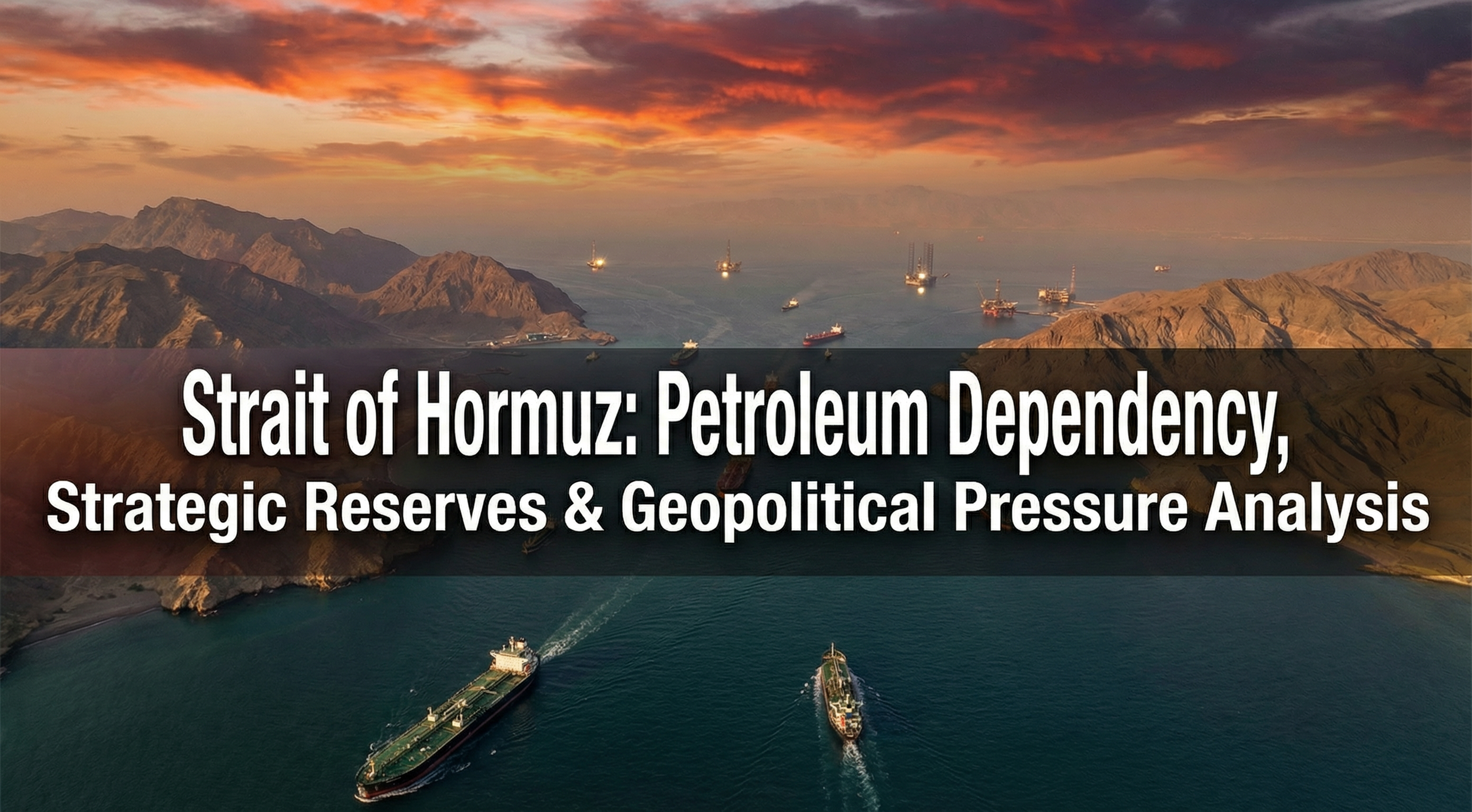
Strait of Hormuz: Petroleum Dependency, Strategic Reserves & Geopolitical Pressure Analysis
The Strait of Hormuz, a 33-kilometer-wide waterway between Iran and Oman, carries roughly 20 million barrels of oil per day—about 20% of global petroleum liquids consumption—and 20% of global LNG trade. Following U.S.-Israeli strikes on Iran on February 28, 2026, Iran’s IRGC declared the strait closed. Tanker traffic has dropped to near zero, triggering the largest energy supply disruption since the 1970s oil crises. Brent crude has surpassed $100/barrel. This report examines the petroleum reserves, import dependencies, and strategic reserve depth of five major importers—China, India, Japan, South Korea, and Europe—assessing how the duration of closure forces each toward alternative sources or active measures to reopen the strait, potentially bringing them into conflict with U.S. policy.
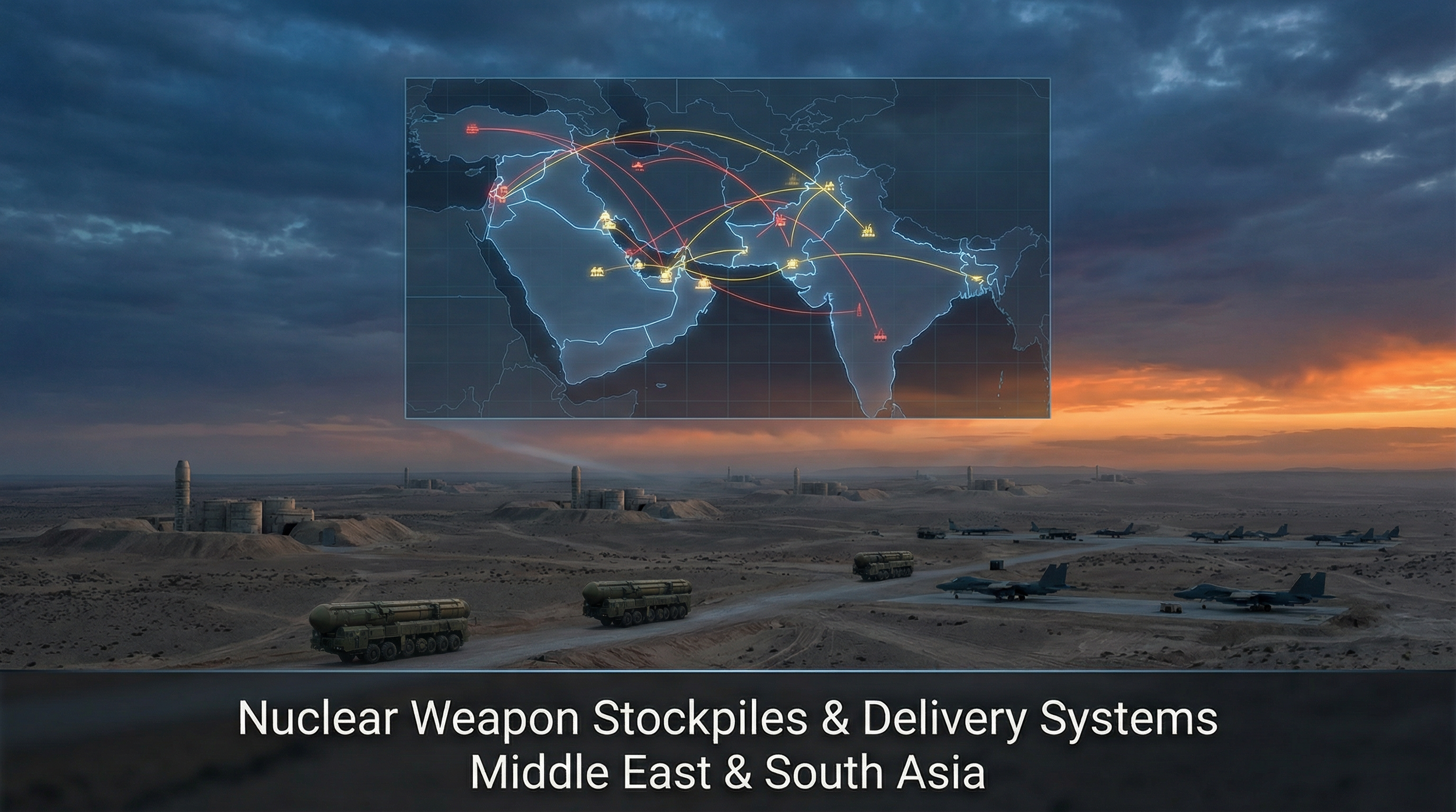
Nuclear Weapons in the Middle East & South Asia
Nine countries possess nuclear weapons worldwide. This report examines the four states with nuclear arsenals or threshold capabilities in the Middle East and South Asia — Israel, India, Pakistan, and Iran — covering when each country built or acquired these weapons, warhead counts, weapon yields, delivery technologies, and maximum deployment range. As of January 2025, approximately 12,241 nuclear warheads exist globally, with about 9,614 in military stockpiles. The interactive map below shows each country's maximum weapon reach.