Lodi Eye
LodiEye provides additional information on trending stories / topics published by local media and shared on local social media accounts.
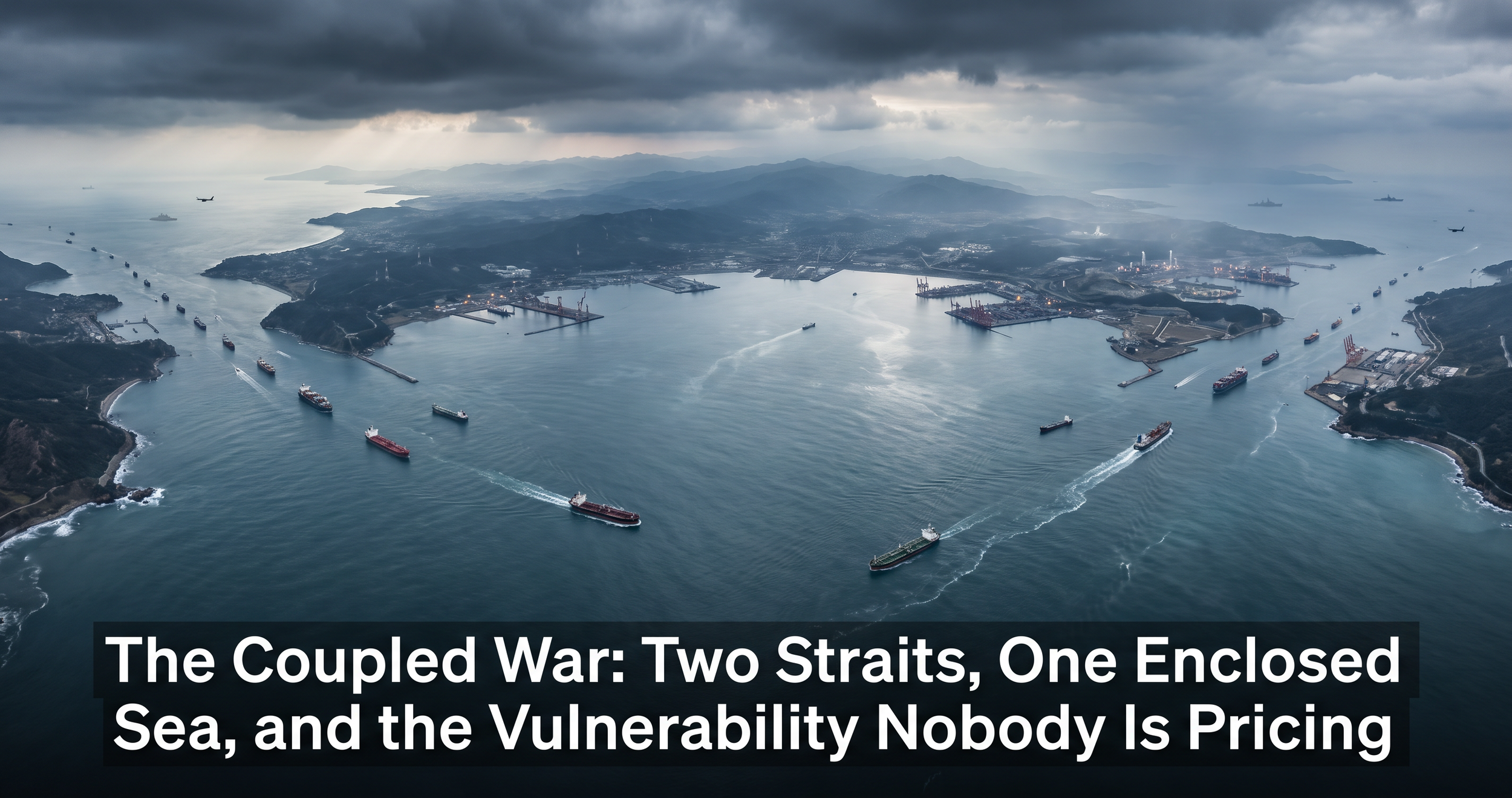
The Coupled War: Two Straits, One Enclosed Sea, and the Vulnerability Nobody Is Pricing
The Strait of Hormuz and Bab el-Mandeb are contested at the same time for the first time. Two chokepoints, two different actors, two different stated reasons. Most coverage treats this as the whole story, with Gulf water supply filed separately as a humanitarian worry held in reserve.
That separation is wrong. Gulf desalination plants share buildings with power plants, share a shallow enclosed sea with the tankers now being struck, and depend on the same sea lanes for the parts and chemicals that would repair them. The tanker war and the water war run on the same infrastructure.
This report covers what has happened at both straits, what each Gulf state faces, how the water and shipping vulnerabilities connect, what production has been lost, and which parties would have to sign what for any of it to stop. It closes with the transmission line to San Joaquin County: diesel and fertilizer.
The Fragile Truce: US-Iran Ceasefire, the Strait of Hormuz, and What It Means for Fuel Prices
On July 8, 2026, President Trump told reporters at a NATO summit that the ceasefire with Iran is “over,” hours after the two countries traded strikes across the Persian Gulf. He also said American negotiators could keep talking. That contradiction — a truce declared dead while its talks stay alive — captures where this conflict stands three weeks after both sides signed a memorandum of understanding to end it.
This report lays out the current state of the agreement, the offensive actions each side has taken over the past 30 days, the escalations each is most likely to reach for next, and what all of it means for oil prices and fuel supply — including a data section tracking how many ships are actually moving through the Strait of Hormuz, measured against the January 2025 baseline. The local stakes for San Joaquin County run through diesel: the fuel that moves the county’s farm equipment, its warehouses, and the trucks on Highway 99.
The AI Race: Who Leads, Who Follows, and Whether Anyone Controls It
The 2024–2026 period produced more concentrated AI advancement than any prior three-year window in computing history. The United States still leads on frontier model performance, raw compute, and private investment. China closed the model performance gap to under 3% by early 2026 and now manufactures roughly 85% of the world’s humanoid robots. The European Union built the world’s first comprehensive AI law. Singapore and the UAE now lead the planet in workforce AI adoption. And no binding global governance framework exists to manage any of it. This report maps the timeline of breakthroughs, scores five nation-state competitors across eight dimensions, and ranks the top companies in large language models, AI chips, and robotics.
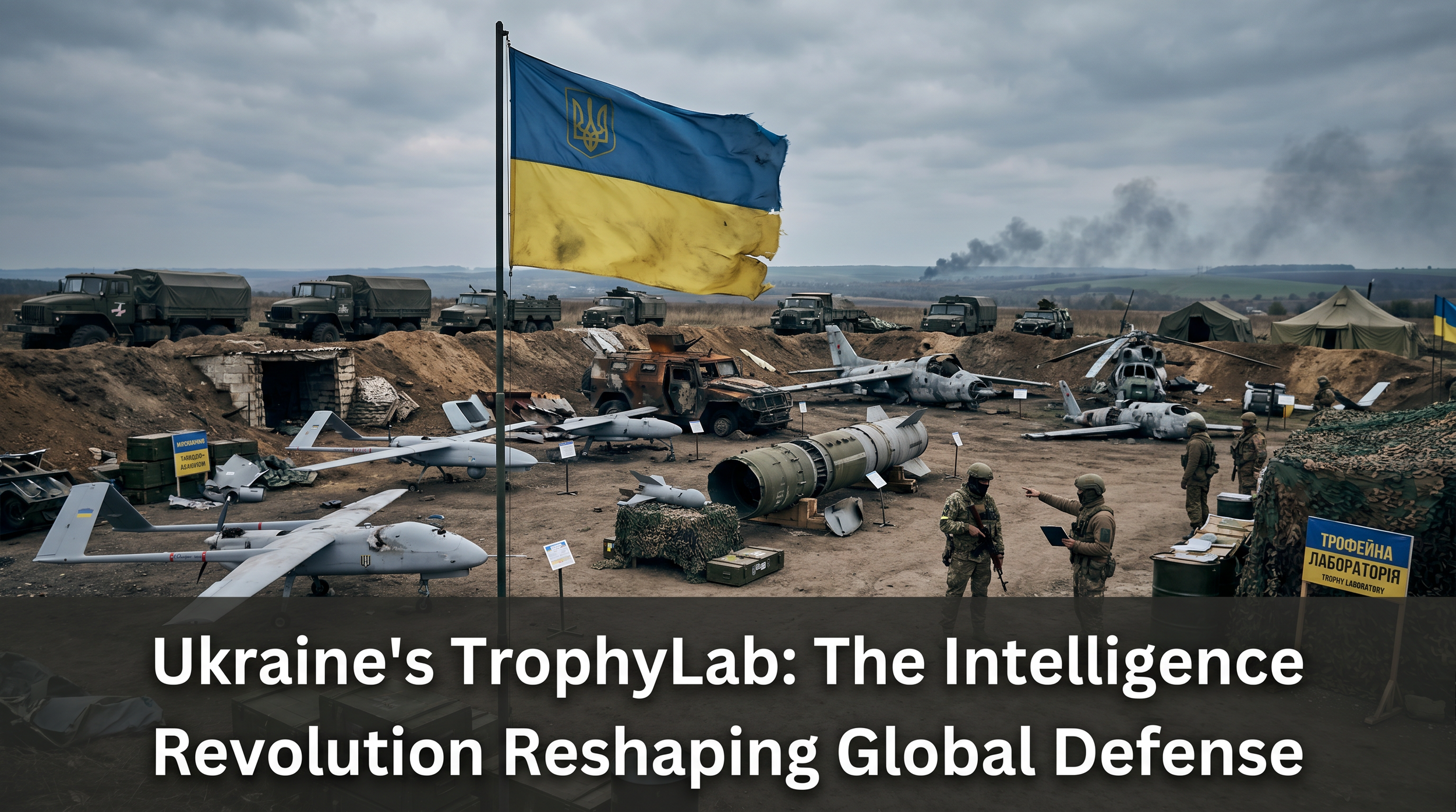
Ukraine's TrophyLab: The Intelligence Revolution Reshaping Global Defense
On June 19, 2026, Ukraine's Ministry of Defense launched TrophyLab — a vetted-access platform at trophylab.mod.gov.ua that formalizes four years of battlefield forensics into the most comprehensive open technical intelligence resource ever assembled on a major power's military systems. The platform catalogs 115+ captured Russian weapons across 79 categories, backed by 225+ technical studies. For Western defense contractors and startups, it compresses the development cycle for countermeasures. But it also exposes a profound organizational challenge: the speed at which Ukraine and Russia iterate far exceeds what most Western defense institutions are built to absorb. Meanwhile, Iran has been running an analogous — though entirely closed and proxy-directed — weapons exploitation program that feeds directly back into the Russia-Ukraine battlefield through a circular technology loop.
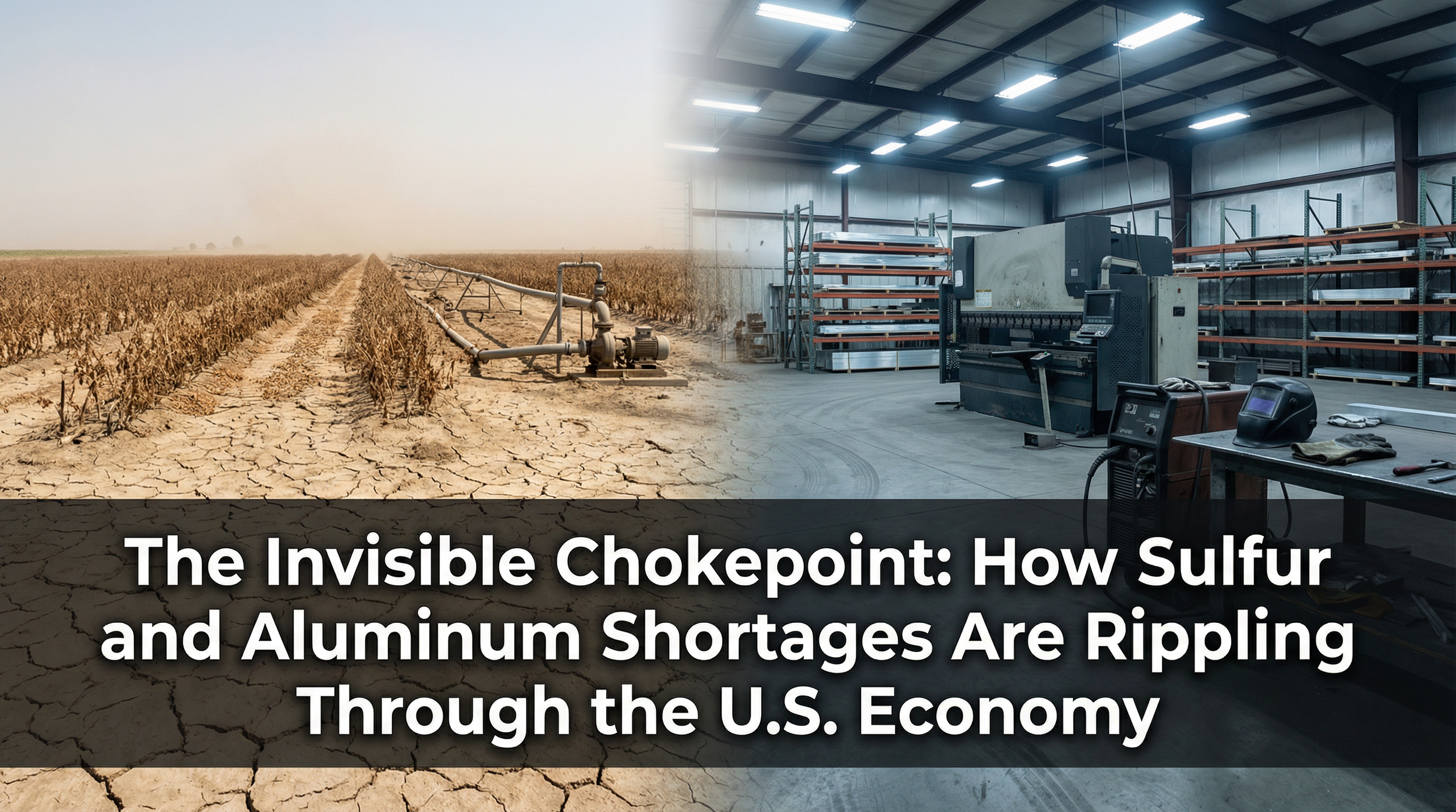
The Invisible Chokepoint: How Sulfur and Aluminum Shortages Are Rippling Through the U.S. Economy
The closure of the Strait of Hormuz has cut off nearly half of the world’s seaborne sulfur supply and 9% of global aluminum production — disruptions far less visible than oil but potentially more consequential. On April 13, the U.S. Navy began enforcing a blockade of Iranian ports, further tightening supply after peace talks collapsed. Sulfur, a byproduct of petroleum refining, is the feedstock for sulfuric acid — the most-used industrial chemical on earth. Without it, phosphate fertilizer production halts, copper and nickel refining slows, EV battery supply chains seize, and U.S. defense manufacturing faces critical shortages. This investigation traces the sulfur and aluminum cascades from Persian Gulf terminals to California farm fields and American factory floors.
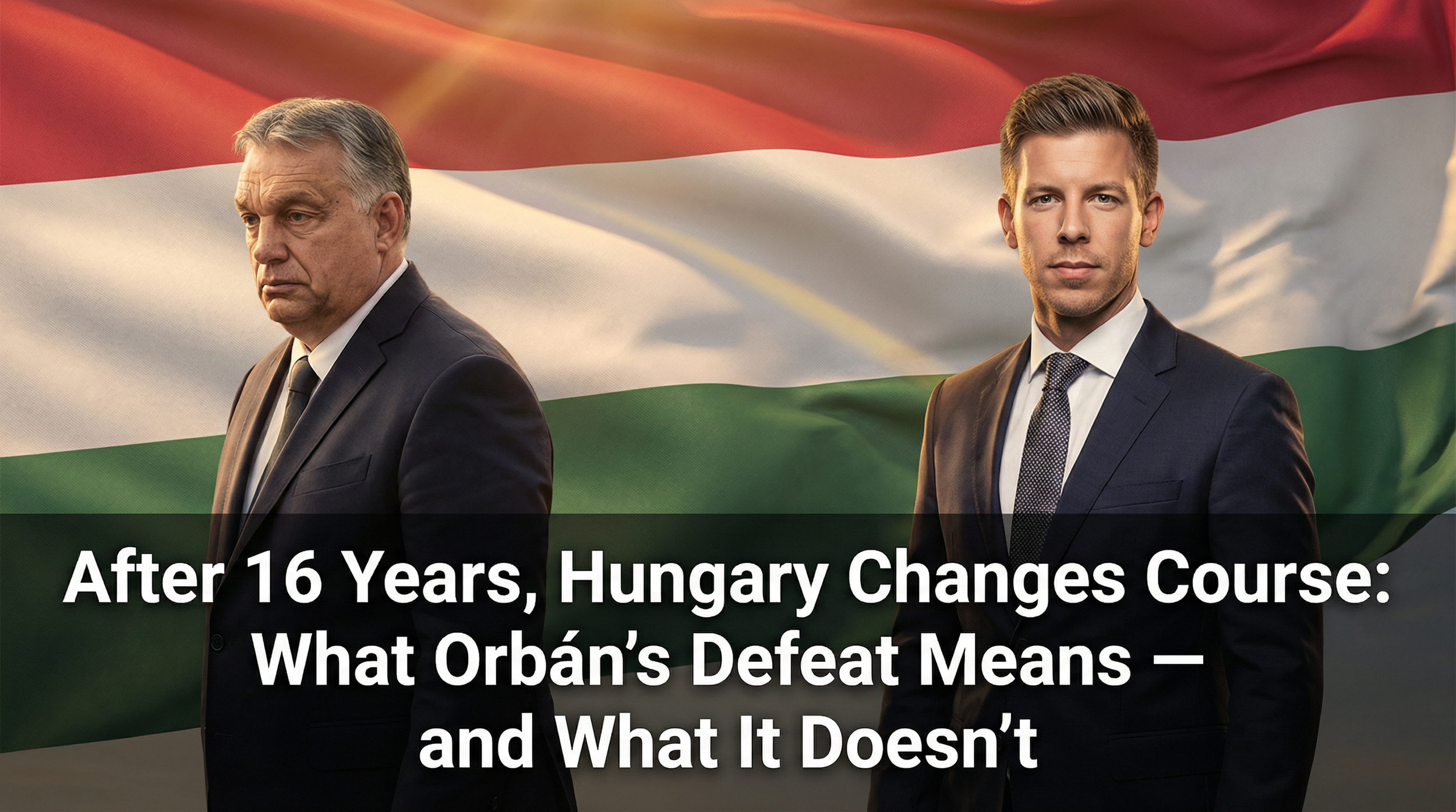
After 16 Years, Hungary Changes Course: What Orbán's Defeat Means — and What It Doesn't
On April 12, 2026, Hungarian voters ended Viktor Orbán's 16-year hold on power, handing a decisive victory to Péter Magyar's center-right Tisza party. The election carries significance well beyond Central Europe: the Trump administration invested extraordinary political capital in Orbán's reelection, including dispatching Vice President JD Vance to campaign on his behalf days before the vote. This analysis examines the Orbán record honestly from multiple perspectives, explores what the Hungarian experience may and may not tell us about American politics, and considers what lies ahead for both countries as the U.S. approaches its own consequential midterm elections in November.
Iran War Scorecard: 10 Rationales, 0 Achieved
On February 28, 2026, President Trump launched Operation Epic Fury against Iran. After 40 days of sustained military operations — the most intensive U.S. air campaign since the 2003 invasion of Iraq — a two-week ceasefire was announced on April 7. This report evaluates each of the administration's stated rationales against actual outcomes, drawing on reporting from major news organizations, intelligence assessments, and independent analysts.
The picture that emerges is stark. The Atlantic documented at least 10 different rationales offered during the first week alone — a pattern of shifting justifications that made it difficult for the public, Congress, or allies to evaluate the war on any consistent basis. What follows is a rationale-by-rationale accounting.
Within 24 hours, Israel launched Operation Eternal Darkness — striking 100+ Hezbollah targets across Lebanon unraveling the ceasefire with Iran closing the Straight of Hormuz.
Drones, Defenses, and Diplomacy
The Russia-Ukraine war, now entering its fifth year, has become the defining laboratory for 21st-century warfare. Cheap, mass-produced drones have supplanted traditional firepower as the dominant battlefield instrument, reshaping military doctrine worldwide. Simultaneously, Ukraine’s hard-won expertise in countering Iranian-designed Shahed drones has opened an unexpected diplomatic corridor to the Gulf states — Saudi Arabia, the UAE, and Qatar — all of which are now under direct Iranian aerial attack following U.S.-Israeli strikes on Iran in late February 2026.
These converging threads — drone warfare innovation, Gulf defense partnerships, Russia’s oil windfall from the Iran war, and the Trump administration’s oscillating posture toward Moscow — form an interconnected web with profound implications for global security and the international economic order.
United States and Iran - Strategic Update
Operation Epic Fury — the joint US-Israeli military campaign against Iran — began February 28, 2026, achieving significant tactical objectives. However, the campaign triggered Iran's closure of the Strait of Hormuz — producing what the IEA calls "the greatest global energy security challenge in history."
As the conflict enters its second month, a new variable has emerged: Yemen's Houthi movement formally entered the war on March 29, threatening to close the Bab al-Mandeb Strait — the only remaining viable bypass route for Gulf oil. The coexistence of a closed Hormuz and a threatened Bab al-Mandeb is a scenario for which the global economy has no adequate contingency.
Venezuela at a Crossroads: Oil, Geopolitics, and the Strait of Hormuz Crisis
The simultaneous upheaval in Venezuela and the military confrontation with Iran over the Strait of Hormuz have converged into the most consequential reshaping of global energy markets since the 1973 Arab oil embargo. Venezuela, the holder of the world’s largest proven oil reserves at 303 billion barrels, finds itself thrust into the center of a scramble for alternative crude supplies just as the Middle East’s most critical shipping corridor has effectively shut down. This report examines where Venezuela stands across government, economy, humanitarian conditions, and oil infrastructure — and assesses whether the country can meaningfully contribute to relieving a global energy crisis.
American Unilateralism and the Fracturing World Order
The United States is engaged in the most unilateral and simultaneous multi-theater power projection since at least the Vietnam era. Unlike prior periods of multi-theater American involvement, the current posture is distinguished by a deliberate rejection of multilateral coalition-building, disregard for UN sanction, active undermining of NATO cohesion, and the assertion of a revived Monroe Doctrine applied not merely to the Western Hemisphere but globally.
The 2026 Energy Crisis: Infrastructure, Supply & Global Impact
A comprehensive assessment of oil and natural gas infrastructure damage, supply disruptions, economic consequences, and long-term energy implications of the U.S.–Israel–Iran conflict.
Compiled March 22, 2026 · Day 22 of Hostilities · Sources: IEA, EIA, Columbia CGEP, Kpler, Dallas Fed, CSIS, CRS
Running on Empty: How America's Defense Reallocations Are Reshaping Global Security
The United States is simultaneously fighting a war against Iran, asserting military dominance over the Western Hemisphere under a revived Monroe Doctrine, and telling its most important allies in Europe and Asia to shoulder their own defense. Each of these missions is consuming irreplaceable weapons at rates that dwarf American production capacity. The cascading consequences — for US defense costs, allied procurement decisions, and the global architecture preventing nuclear proliferation — may prove to be the most significant strategic shift since the end of the Cold War.
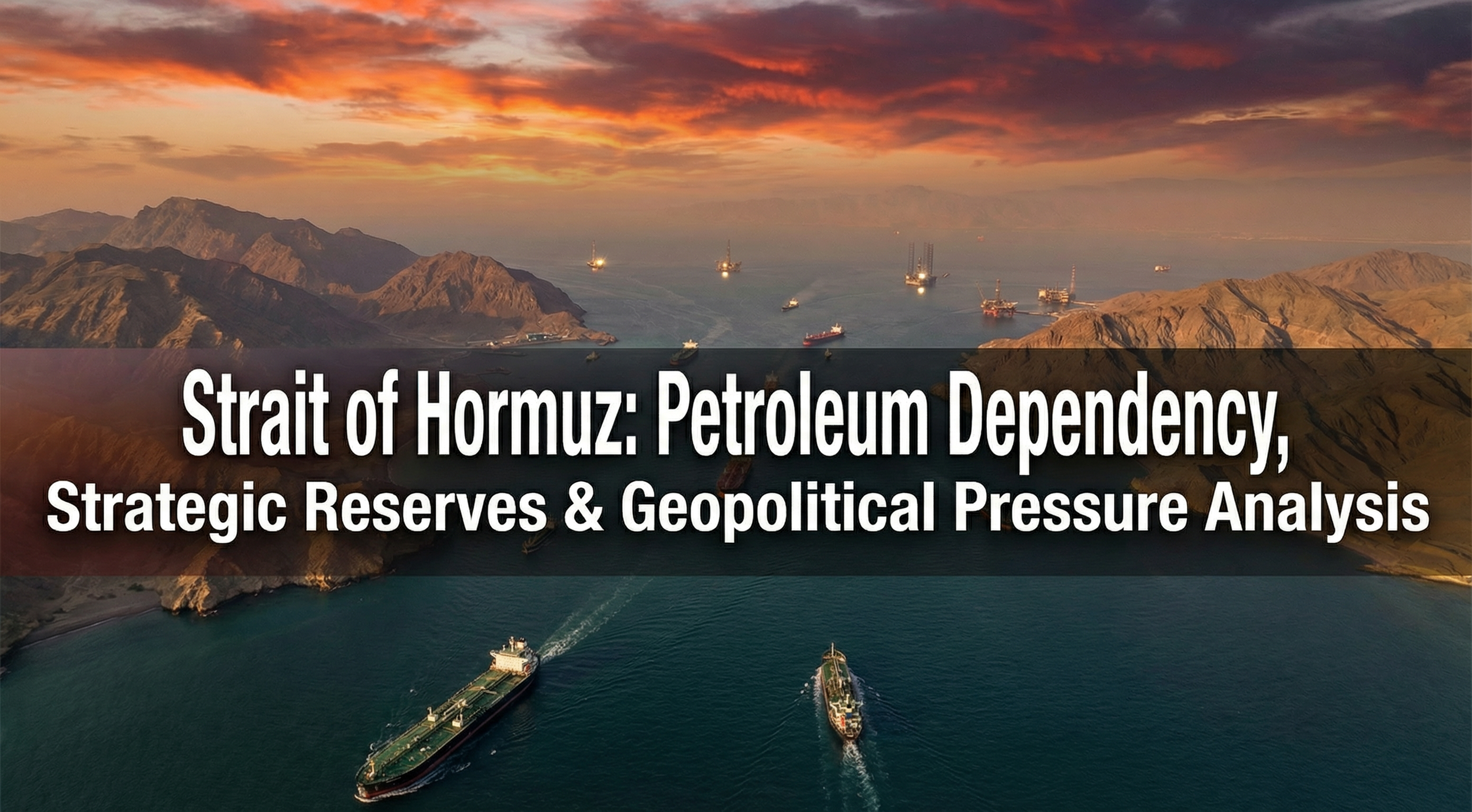
Strait of Hormuz: Petroleum Dependency, Strategic Reserves & Geopolitical Pressure Analysis
The Strait of Hormuz, a 33-kilometer-wide waterway between Iran and Oman, carries roughly 20 million barrels of oil per day—about 20% of global petroleum liquids consumption—and 20% of global LNG trade. Following U.S.-Israeli strikes on Iran on February 28, 2026, Iran’s IRGC declared the strait closed. Tanker traffic has dropped to near zero, triggering the largest energy supply disruption since the 1970s oil crises. Brent crude has surpassed $100/barrel. This report examines the petroleum reserves, import dependencies, and strategic reserve depth of five major importers—China, India, Japan, South Korea, and Europe—assessing how the duration of closure forces each toward alternative sources or active measures to reopen the strait, potentially bringing them into conflict with U.S. policy.
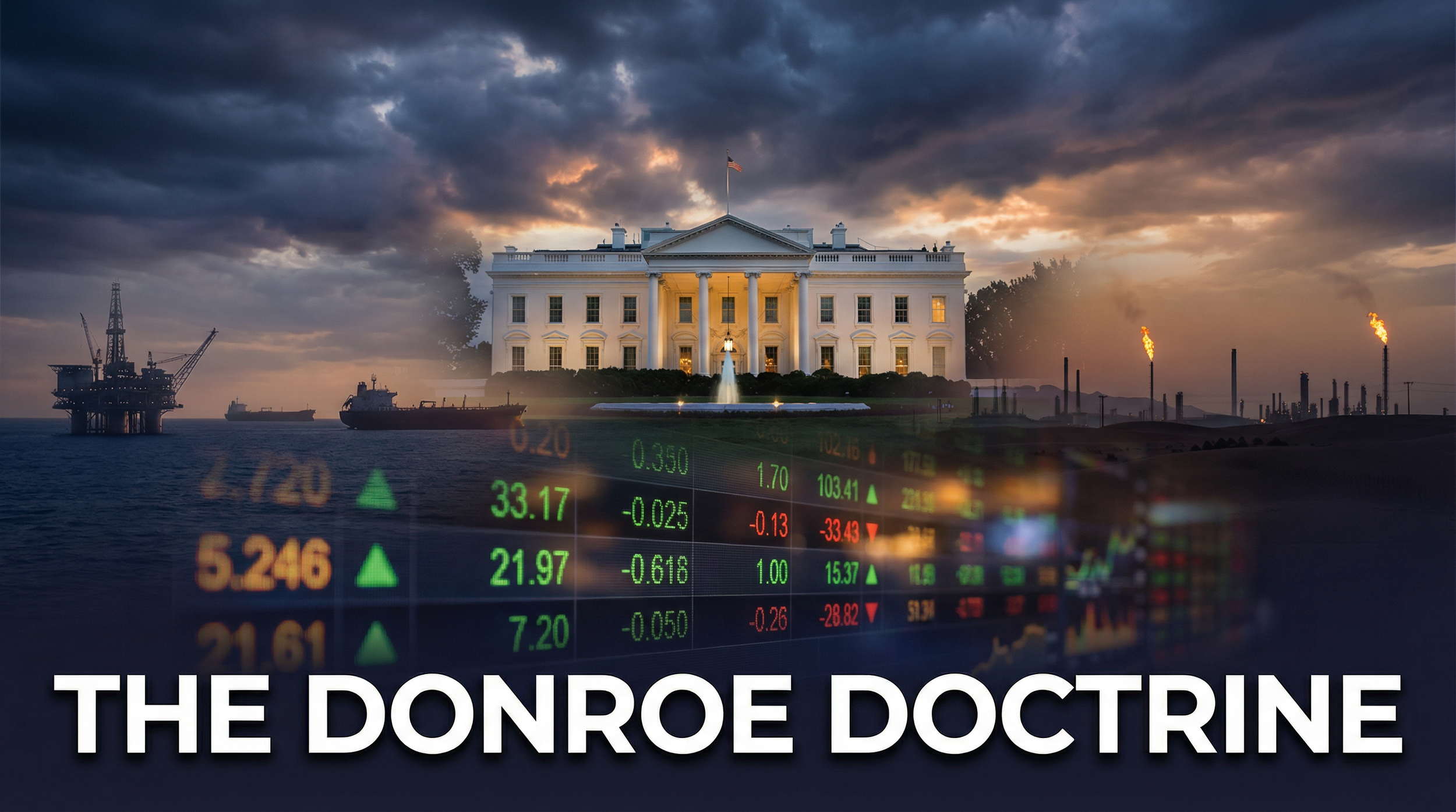
The Donroe Doctrine
In January, President Trump captured Venezuela’s leader and declared a new era of American hemispheric dominance. Two months later, the consequences — a war with Iran, the effective closure of the Strait of Hormuz, surging gas prices, a $50 billion emergency military funding request, and a fertilizer shock threatening global food supplies — are landing squarely on the kitchen tables of American families and the front doors of American businesses.
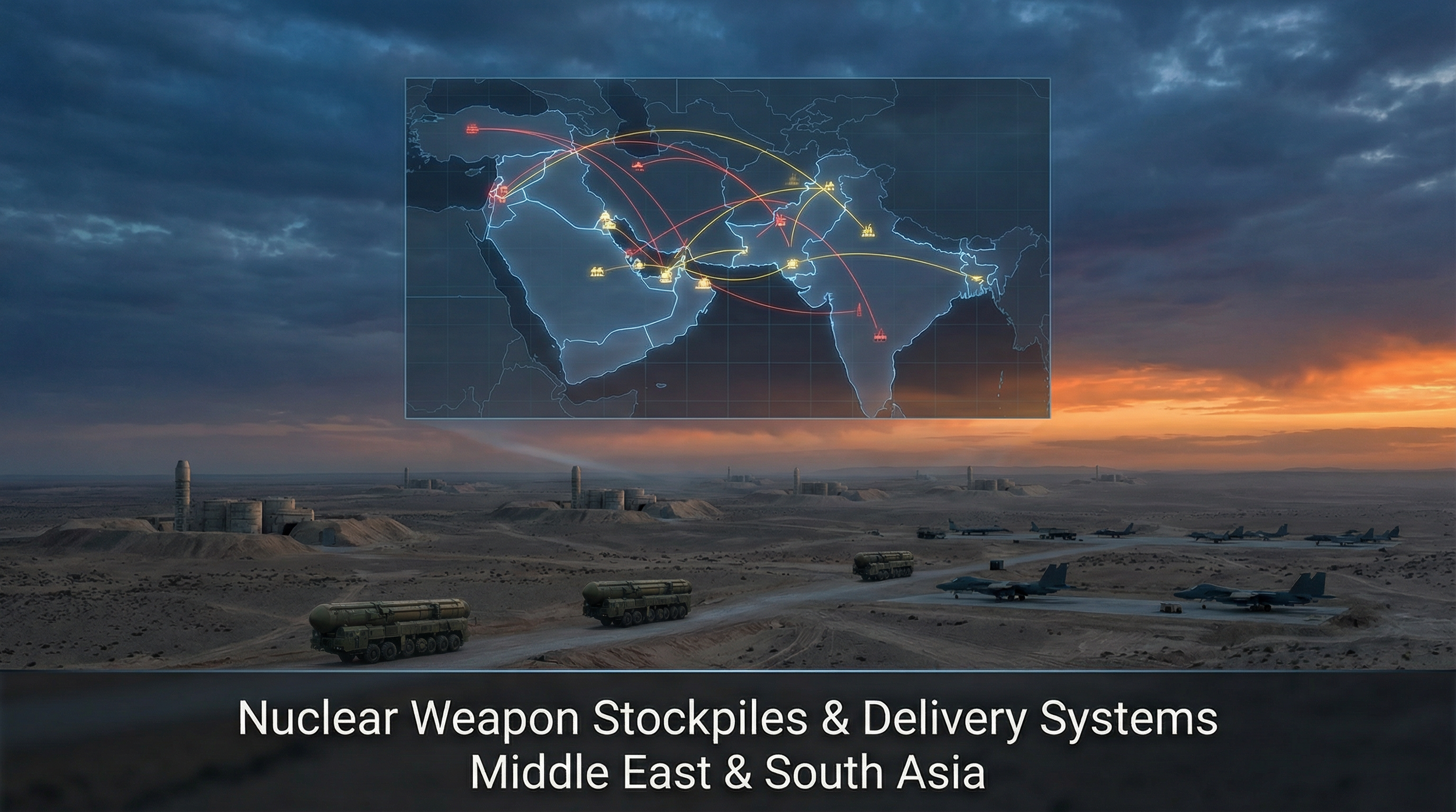
Nuclear Weapons in the Middle East & South Asia
Nine countries possess nuclear weapons worldwide. This report examines the four states with nuclear arsenals or threshold capabilities in the Middle East and South Asia — Israel, India, Pakistan, and Iran — covering when each country built or acquired these weapons, warhead counts, weapon yields, delivery technologies, and maximum deployment range. As of January 2025, approximately 12,241 nuclear warheads exist globally, with about 9,614 in military stockpiles. The interactive map below shows each country's maximum weapon reach.
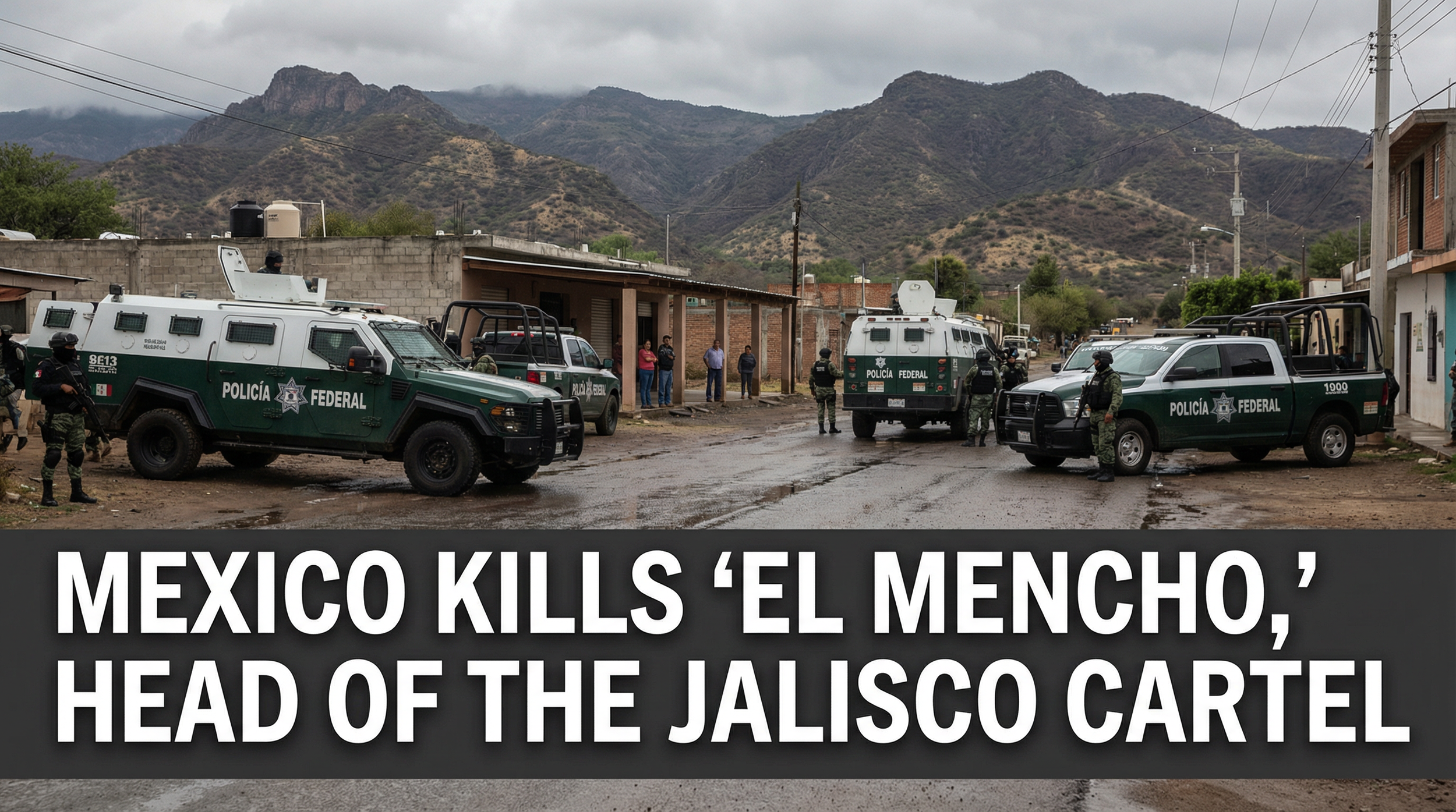
Mexico Kills ‘El Mencho,’ Head of the Jalisco Cartel
On February 22, 2026, the Mexican military killed Nemesio Rubén Oseguera Cervantes (“El Mencho”), the founder and leader of the Jalisco New Generation Cartel (CJNG). The operation, aided by U.S. intelligence, triggered more than 250 roadblocks across 20 Mexican states, the deaths of 25 National Guard members in retaliatory attacks, and the shutdown of Guadalajara, Mexico’s second-largest city. CJNG operates in almost all 50 U.S. states and is a primary source of fentanyl, methamphetamine, and cocaine.
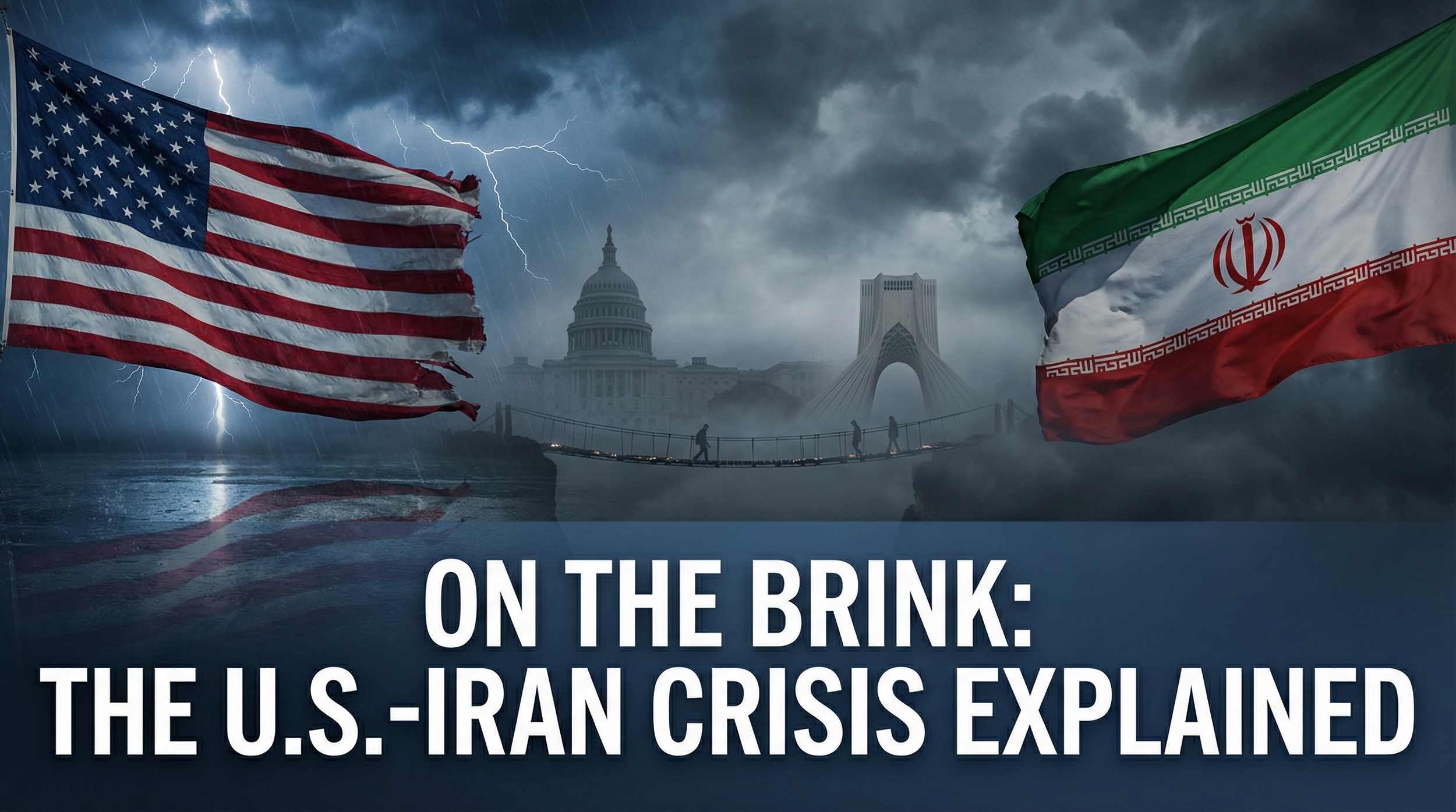
On the Brink: The U.S.-Iran Crisis Explained
The United States and Iran stand at the most dangerous point in their four-decade adversarial relationship. President Trump has given Tehran 10 to 15 days to reach a “meaningful deal” on its nuclear program or face “really bad things,” while the Pentagon has assembled the largest concentration of air and naval power in the Middle East since the 2003 Iraq invasion.
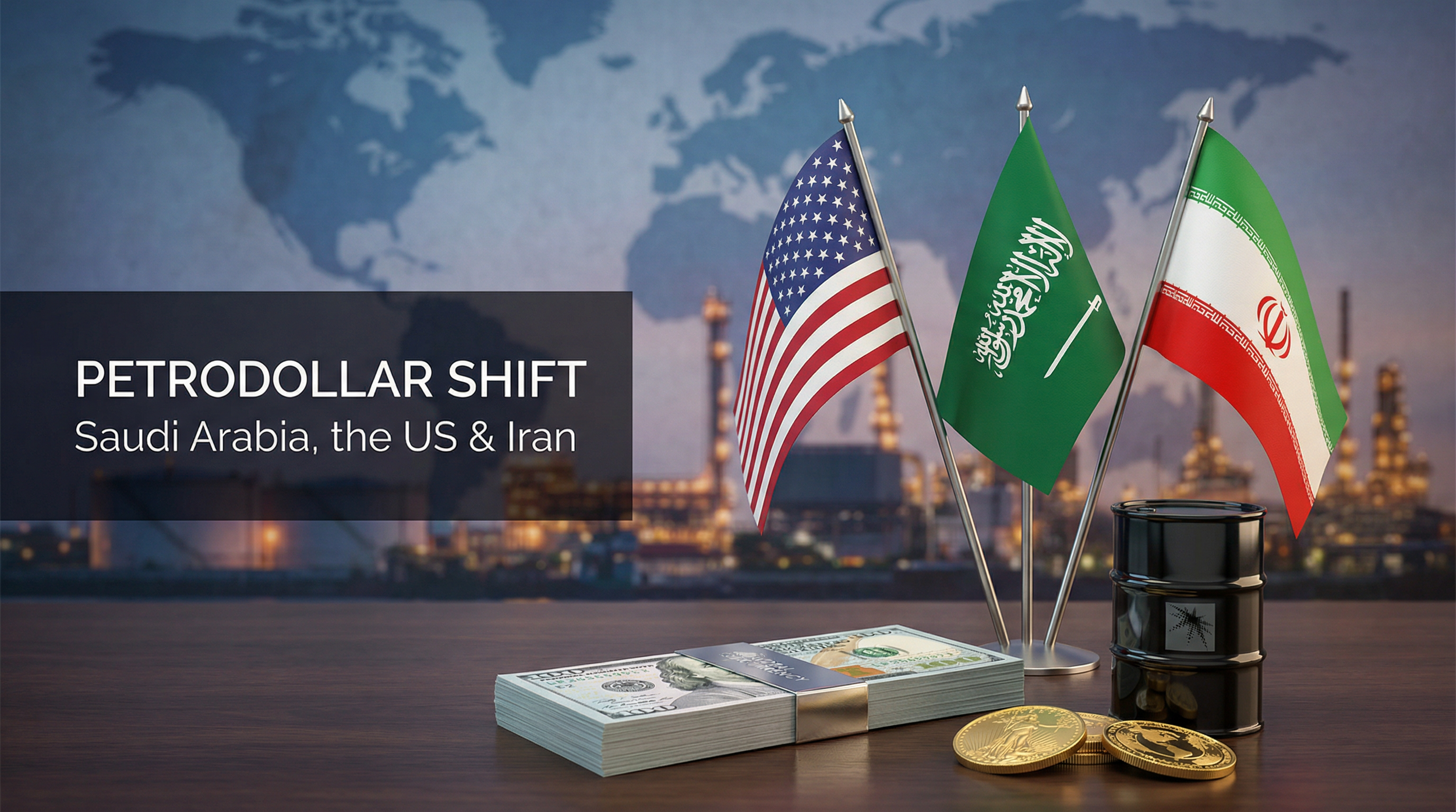
The Petrodollar System & Saudi Arabia's Evolving Geopolitical Relationships
One of the most important clarifications in understanding U.S.-Saudi economic relations: there is no official agreement between the United States and Saudi Arabia to sell oil in US dollars. Saudi Arabia’s evolving relationships with China, Iran, and Saudi Arabia’s neighbors can impact US foreign policy, its economy and currency.