
Lodi Eye
LodiEye provides additional information on trending stories / topics published by local media and shared on local social media accounts.

Record Oil Pumped, Still Importing Oil: How the U.S. Oil System Actually Works
In 2026 the United States is the largest oil producer in history, yet it remains one of the world’s largest crude importers. The reason isn’t scarcity — it’s grade. American shale pumps light, sweet crude, but most U.S. refineries were built to run heavy, sour crude. That mismatch, plus a transport-and-refining system still catching up to the shale boom, is why the country exports the oil it pumps and imports the oil it needs.
This report walks the system end to end: where production stands and what drives it, where the oil comes from, how it moves, where it is refined, and how technology turns different kinds of rock into barrels. It closes by measuring the “Drill, baby, drill” slogan against that reality, laying out the federal levers that could actually lower consumer prices, and examining what all of this means for California’s Central Valley.
Who Pays to Keep the Lights On? Data Centers, EVs, and the Grid's New Era in California and Lodi
After two decades of flat electricity demand, the American power grid has hit an inflection point. Artificial-intelligence data centers, a wave of electric vehicles, and a generation mix tilting toward solar and wind are changing both how much power the country needs and the architecture of the system that delivers it. The hardest question is not whether the lights stay on, but who pays to keep them on — and whether ordinary households can still afford the bill. Nowhere is that question sharper than in California, and the answer looks different depending on which side of a city limit you live on.

The State of Global Oil Reserves
When Iran closed the Strait of Hormuz in late February 2026 and the broader Middle East conflict followed, the world's oil-buffer infrastructure — the salt caverns, the harbor tanks, the bonded floating storage off Asian ports — stopped being a back-of-the-textbook curiosity and became the thing standing between functioning economies and rationing. This report inventories that buffer as of mid-May 2026 across four jurisdictions: the United States, California (which sits inside the United States but is functionally an island for fuel), Europe, and Asia.
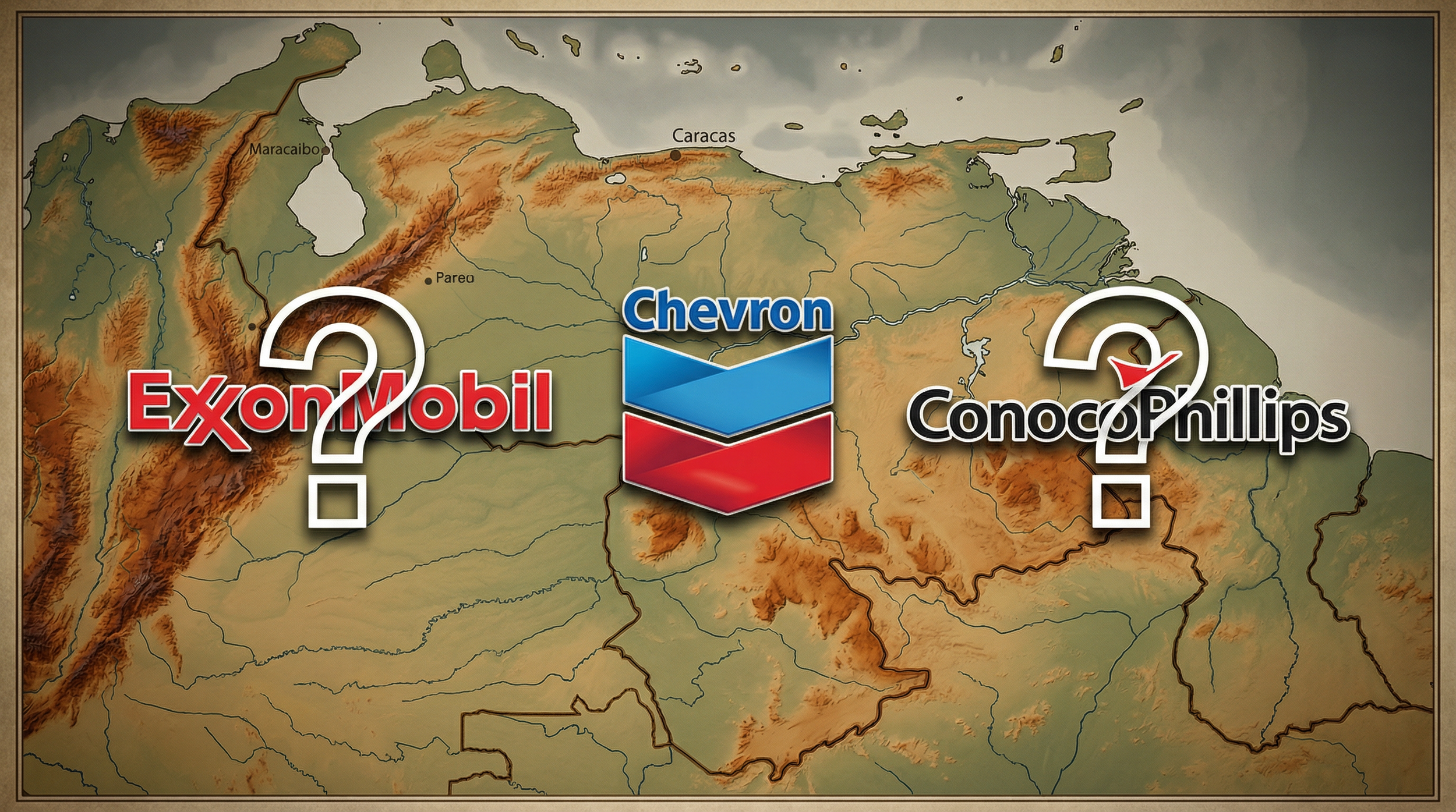
US Oil Companies in Venezuela - January 2026
As of January 9, 2026, Chevron remains the only US oil company with active operations in Venezuela. The Trump administration is aggressively courting major US oil companies to invest in Venezuela's deteriorating oil infrastructure, claiming potential investments of $100 billion and rapid production increases.

Venezuela’s Oil Industry in Global Market - January 2026
Venezuela possesses the world's largest proven oil reserves at approximately 303 billion barrels, surpassing Saudi Arabia's 267 billion barrels. Despite this vast resource base, current production has collapsed to 860,000–1.1 million bpd, down from a peak of 3.5 million bpd in 1998. This represents less than 1% of global oil output from the world's largest reserve holder.

Federal Energy Cuts Derail Lodi's Clean Energy Ambitions
The Trump administration's sweeping cancellation of clean energy funding has dealt a devastating blow to Lodi's ambitious plans to become a national leader in hydrogen energy production and grid modernization, with the Department of Energy withdrawing $35 million earmarked for Lodi’s groundbreaking hydrogen facility.

California Supreme Court Ruling on Rooftop Solar
The California Supreme Court delivered a unanimous 7-0 decision on August 7, 2025, that will significantly reshape the legal landscape for rooftop solar policy in the state. This landmark ruling addresses the controversial Net Energy Metering 3.0 (NEM 3.0) policy implemented by the California Public Utilities Commission (CPUC) in 2022. The NEM 3.0 regulations remain in effect during the ongoing legal process.