
Lodi Eye
LodiEye provides additional information on trending stories / topics published by local media and shared on local social media accounts.

It’s Not Just Anduril and Palantir Anymore: The 2026 Defense-Tech Landscape
This is a follow-up to the original LodiEye analysis published February 25, 2026, Anduril and Palantir: AI-Enabled Transformation of US Defense. Between late February and early June 2026, several open questions from that piece resolved — mostly in the direction it anticipated, and faster. Anduril raised a record round and started building combat drones months ahead of schedule; Palantir posted its fastest growth since going public; the Army’s Next Generation Command and Control prototype cleared its division-scale rehearsal; and a new, much larger joint program — the Golden Dome missile shield — has pulled both companies toward the center of the most expensive weapons effort in U.S. history. Around them, defense-technology venture funding has set an all-time record, surfacing a second tier of well-capitalized startups worth tracking.
This update is organized as (1) updates to the two principal companies, (2) the status of NGC2 going into its summer test, (3) the new Golden Dome program, (4) the broader defense-tech surge and the new names within it, (5) the new hardware — drones, autonomous vessels, and weapons — these companies are now producing, and (6) a quick-reference table reconciling specific claims in the original article against current facts.

The Neo-Primes: Iran's Drones, Washington's Politics, and the Rewiring of American Defense
A cohort of Silicon Valley defense firms the trade press now calls "neo-primes" — Palantir, SpaceX, and Anduril — is displacing the Lockheed-RTX-Northrop Grumman triad from a growing share of Pentagon procurement. Two forces are driving the shift: the brutal cost asymmetry exposed by the Iran war, and an unusually tight political alignment between the Trump administration and the companies themselves.
Two risks sit alongside the opportunity — a potential bipartisan backlash if the alignment starts to look partisan, and the possibility that the Pentagon ends up just as locked into three new vendors as it was into the old ones.

$1.7 Trillion for War, Pennies for Home
The largest military spending increase since World War II funnels billions to politically connected contractors while slashing science, housing, energy aid, and environmental protection. We break down the national security claims, rate their credibility, and trace the impacts to San Joaquin County.

American Unilateralism and the Fracturing World Order
The United States is engaged in the most unilateral and simultaneous multi-theater power projection since at least the Vietnam era. Unlike prior periods of multi-theater American involvement, the current posture is distinguished by a deliberate rejection of multilateral coalition-building, disregard for UN sanction, active undermining of NATO cohesion, and the assertion of a revived Monroe Doctrine applied not merely to the Western Hemisphere but globally.
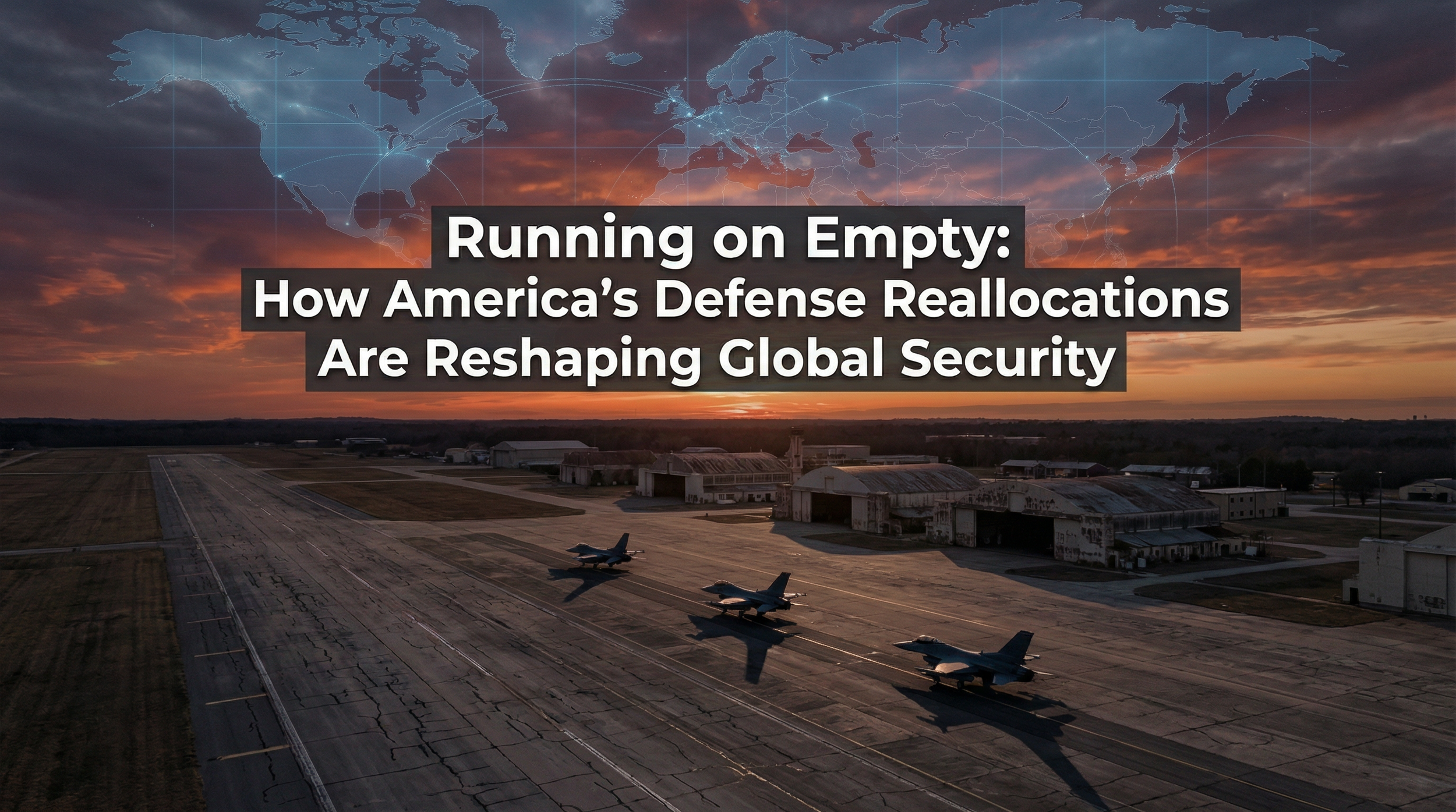
Running on Empty: How America's Defense Reallocations Are Reshaping Global Security
The United States is simultaneously fighting a war against Iran, asserting military dominance over the Western Hemisphere under a revived Monroe Doctrine, and telling its most important allies in Europe and Asia to shoulder their own defense. Each of these missions is consuming irreplaceable weapons at rates that dwarf American production capacity. The cascading consequences — for US defense costs, allied procurement decisions, and the global architecture preventing nuclear proliferation — may prove to be the most significant strategic shift since the end of the Cold War.
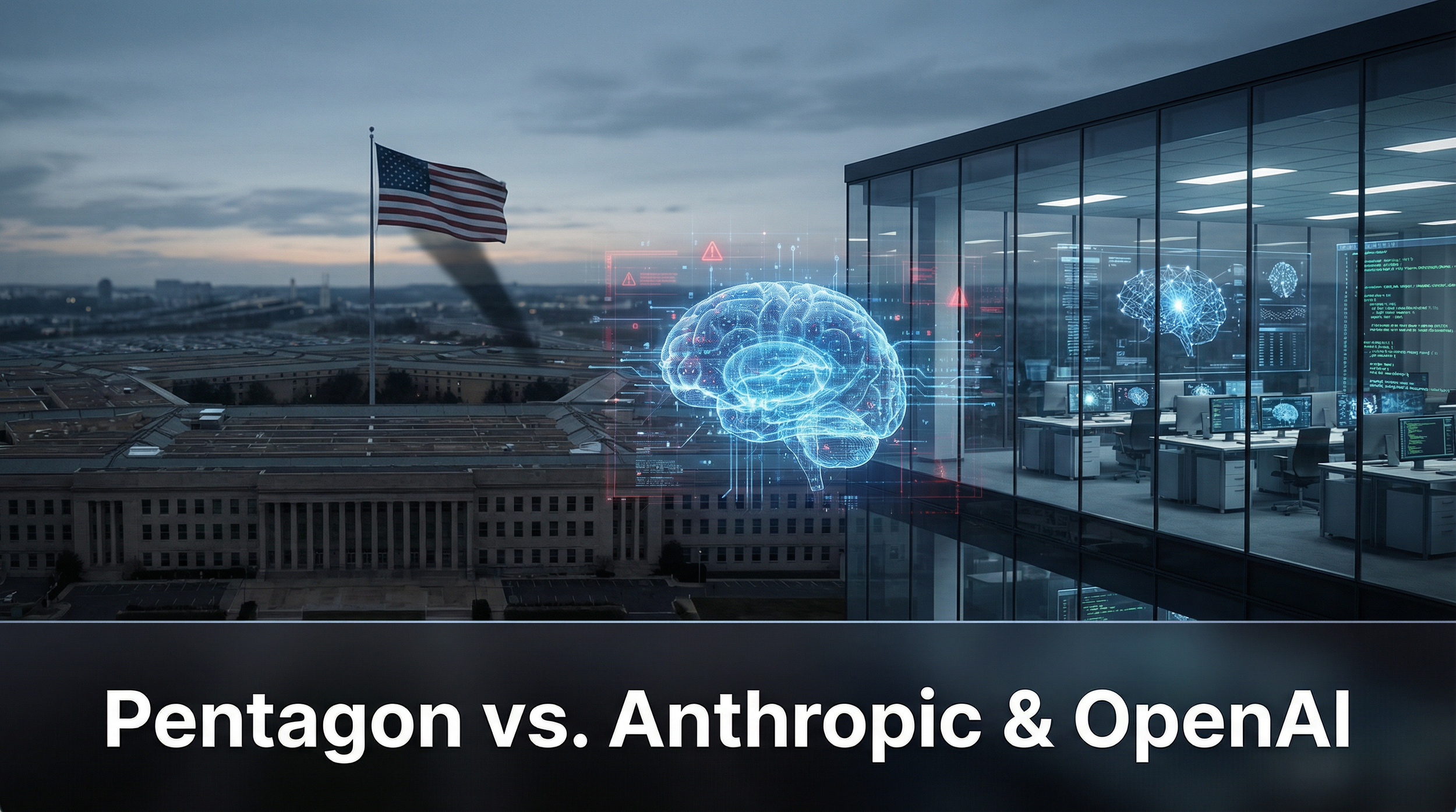
Pentagon vs. Anthropic & OpenAI
In late February 2026, Defense Secretary Pete Hegseth gave Anthropic CEO Dario Amodei until 5:01 PM on Friday, February 27, to sign a document granting the U.S. military unrestricted access to Anthropic’s AI model Claude — or face severe consequences. Anthropic refused, holding firm on two red lines: no mass surveillance of American citizens and no fully autonomous lethal targeting. The Pentagon followed through, designating Anthropic a “supply chain risk”.. Meanwhile, OpenAI rushed to fill the void with its own Pentagon deal — only to reverse course days later when CEO Sam Altman admitted the contract was “opportunistic and sloppy” and added the same safeguards Anthropic had demanded.

Pentagon vs. Anthropic
Defense Secretary Pete Hegseth has given Anthropic CEO Dario Amodei until Friday, February 27, 2026, to sign a document granting the U.S. military unrestricted access to Anthropic's AI model Claude — or face contract termination, a “supply chain risk” blacklisting, and forced compliance under the Defense Production Act. Anthropic is willing to work with the Pentagon but insists on two red lines: no mass surveillance of American citizens and no fully autonomous lethal targeting.
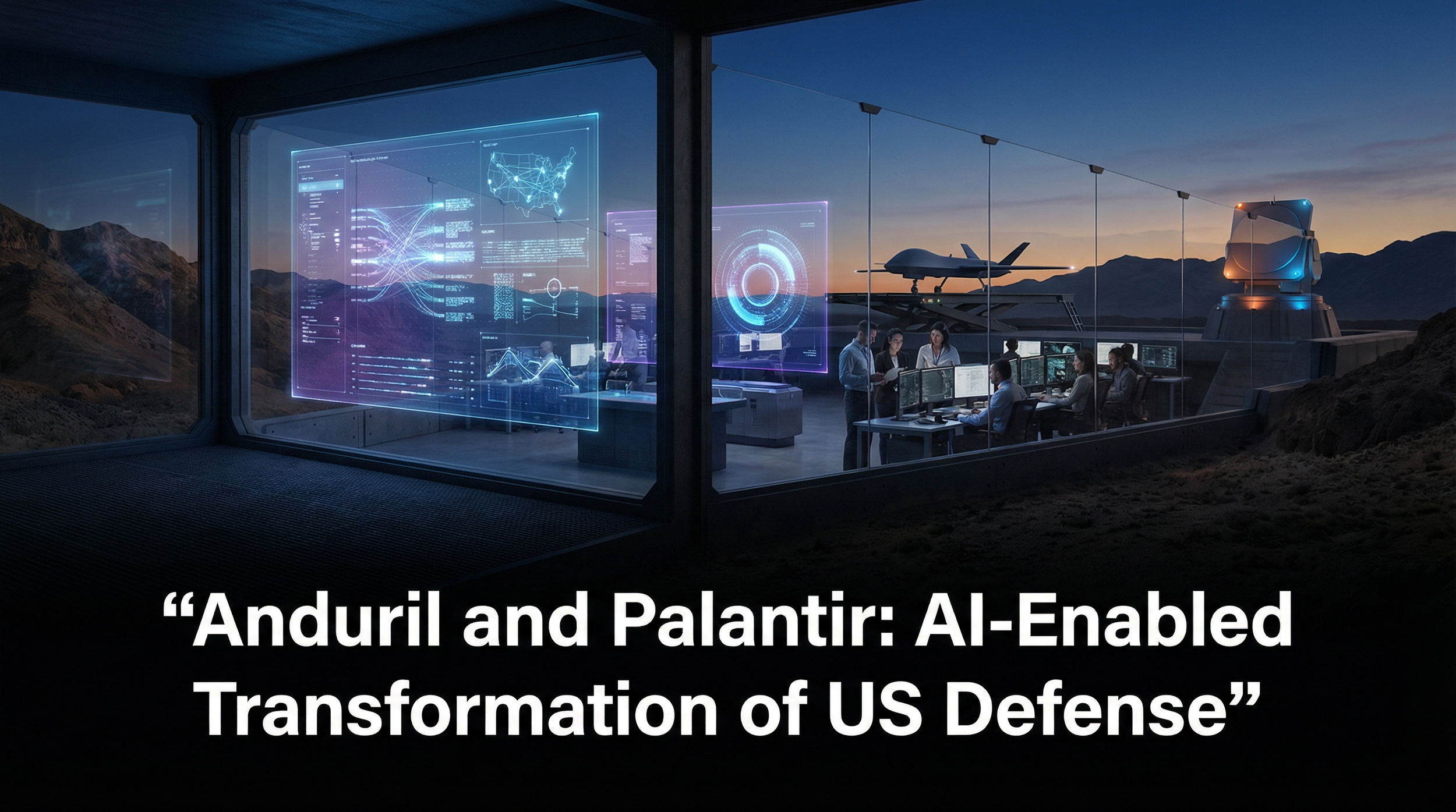
Anduril and Palantir: AI-Enabled Transformation of US Defense
Anduril Industries and Palantir Technologies are reshaping how the United States gathers intelligence and wages war by combining AI-native software platforms, autonomous systems, and hyperscale manufacturing into a tightly integrated defense technology ecosystem.