
Lodi Eye
LodiEye provides additional information on trending stories / topics published by local media and shared on local social media accounts.
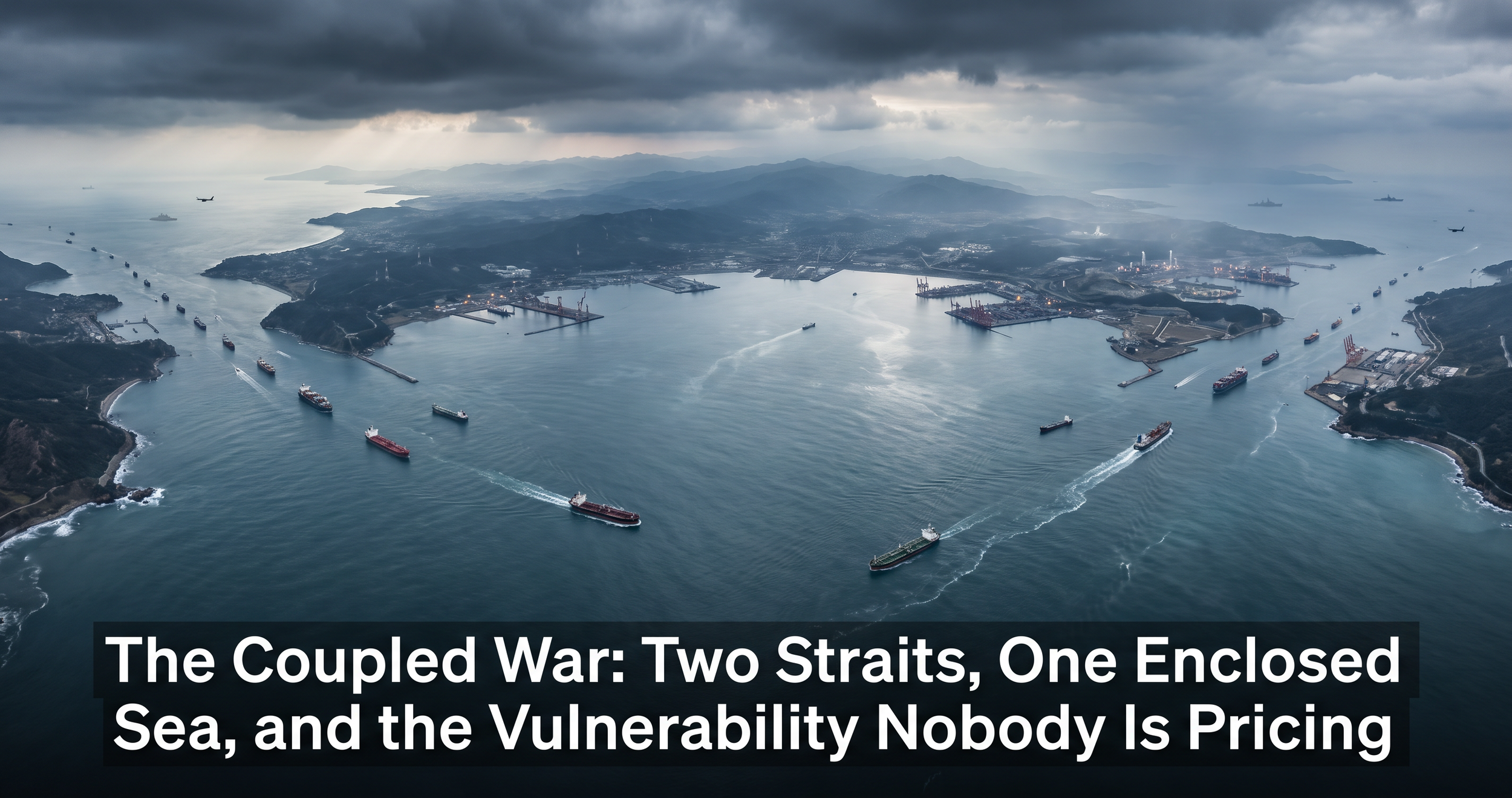
The Coupled War: Two Straits, One Enclosed Sea, and the Vulnerability Nobody Is Pricing
The Strait of Hormuz and Bab el-Mandeb are contested at the same time for the first time. Two chokepoints, two different actors, two different stated reasons. Most coverage treats this as the whole story, with Gulf water supply filed separately as a humanitarian worry held in reserve.
That separation is wrong. Gulf desalination plants share buildings with power plants, share a shallow enclosed sea with the tankers now being struck, and depend on the same sea lanes for the parts and chemicals that would repair them. The tanker war and the water war run on the same infrastructure.
This report covers what has happened at both straits, what each Gulf state faces, how the water and shipping vulnerabilities connect, what production has been lost, and which parties would have to sign what for any of it to stop. It closes with the transmission line to San Joaquin County: diesel and fertilizer.
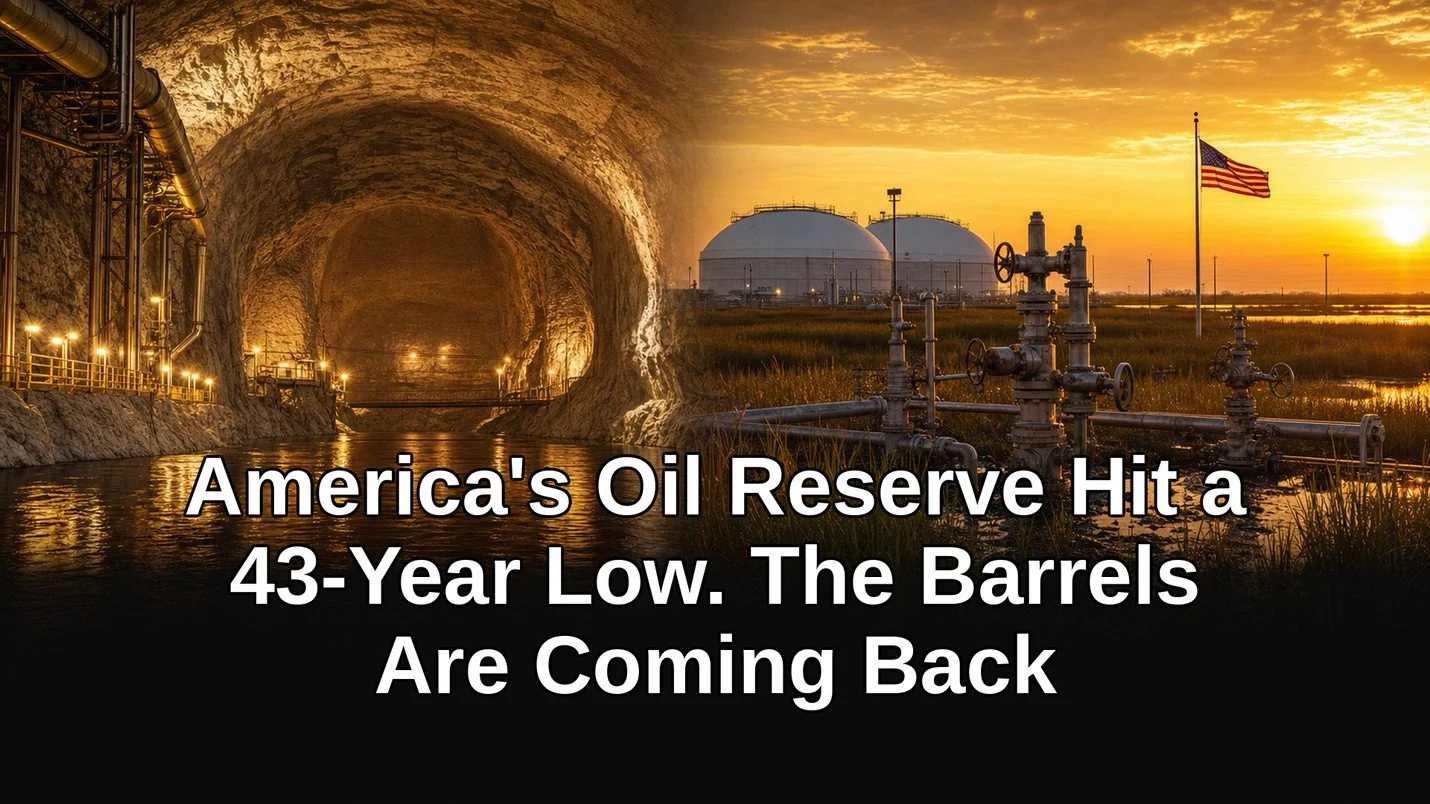
America's Oil Reserve Hit a 43-Year Low. The Barrels Are Coming Back
The Strategic Petroleum Reserve fell to about 319.5 million barrels in early July 2026, its lowest level since April 1983. Most coverage framed that as depletion. It is not. The 172-million-barrel release behind the drop is structured as a loan — companies borrow the crude now and return it later with interest — and the Department of Energy projects the reserve ends up with more oil than it lent out. The real story is what Washington is now doing with the reserve, and the demand, budget, and energy-security consequences that run through 2028.
The Fragile Truce: US-Iran Ceasefire, the Strait of Hormuz, and What It Means for Fuel Prices
On July 8, 2026, President Trump told reporters at a NATO summit that the ceasefire with Iran is “over,” hours after the two countries traded strikes across the Persian Gulf. He also said American negotiators could keep talking. That contradiction — a truce declared dead while its talks stay alive — captures where this conflict stands three weeks after both sides signed a memorandum of understanding to end it.
This report lays out the current state of the agreement, the offensive actions each side has taken over the past 30 days, the escalations each is most likely to reach for next, and what all of it means for oil prices and fuel supply — including a data section tracking how many ships are actually moving through the Strait of Hormuz, measured against the January 2025 baseline. The local stakes for San Joaquin County run through diesel: the fuel that moves the county’s farm equipment, its warehouses, and the trucks on Highway 99.
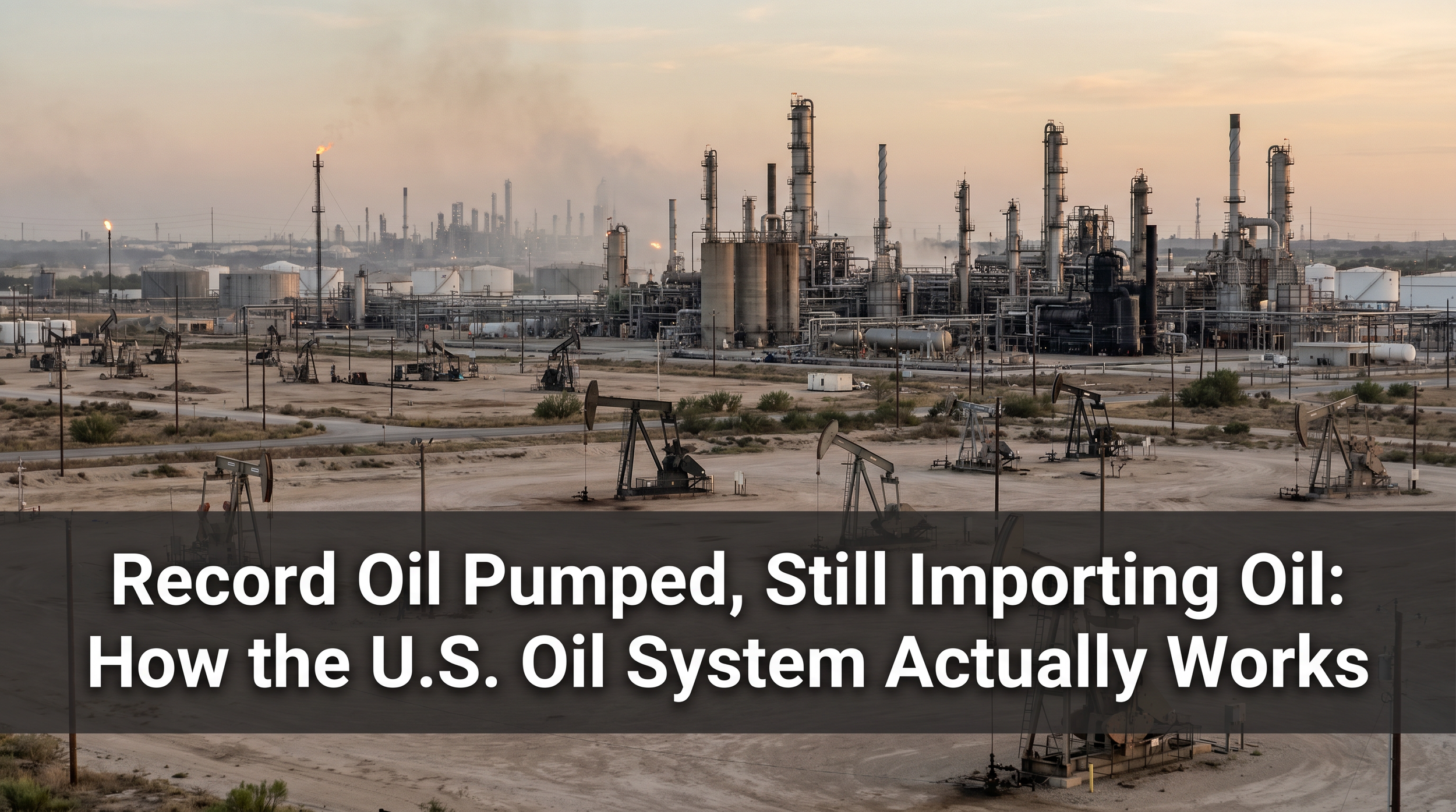
Record Oil Pumped, Still Importing Oil: How the U.S. Oil System Actually Works
In 2026 the United States is the largest oil producer in history, yet it remains one of the world’s largest crude importers. The reason isn’t scarcity — it’s grade. American shale pumps light, sweet crude, but most U.S. refineries were built to run heavy, sour crude. That mismatch, plus a transport-and-refining system still catching up to the shale boom, is why the country exports the oil it pumps and imports the oil it needs.
This report walks the system end to end: where production stands and what drives it, where the oil comes from, how it moves, where it is refined, and how technology turns different kinds of rock into barrels. It closes by measuring the “Drill, baby, drill” slogan against that reality, laying out the federal levers that could actually lower consumer prices, and examining what all of this means for California’s Central Valley.
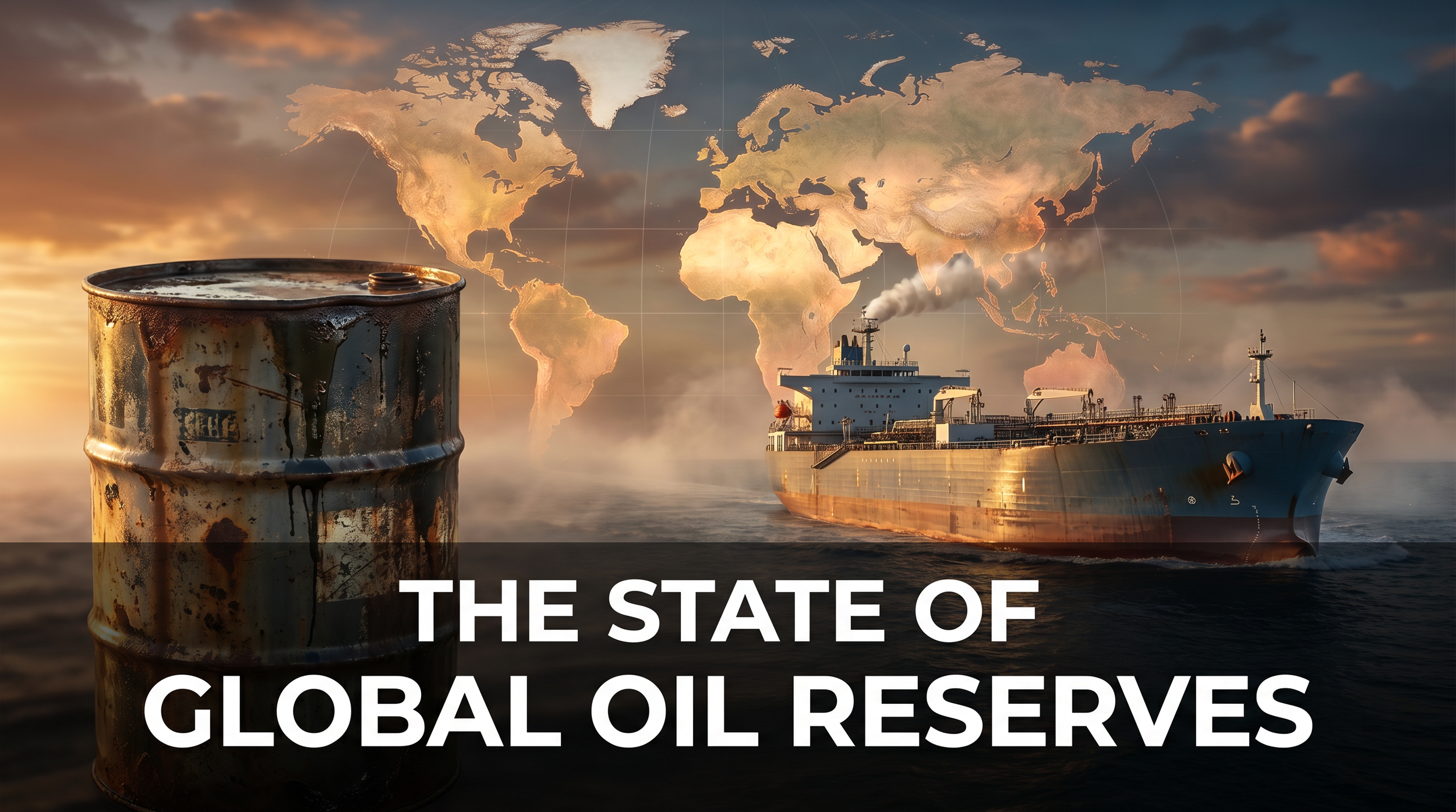
The State of Global Oil Reserves
When Iran closed the Strait of Hormuz in late February 2026 and the broader Middle East conflict followed, the world's oil-buffer infrastructure — the salt caverns, the harbor tanks, the bonded floating storage off Asian ports — stopped being a back-of-the-textbook curiosity and became the thing standing between functioning economies and rationing. This report inventories that buffer as of mid-May 2026 across four jurisdictions: the United States, California (which sits inside the United States but is functionally an island for fuel), Europe, and Asia.
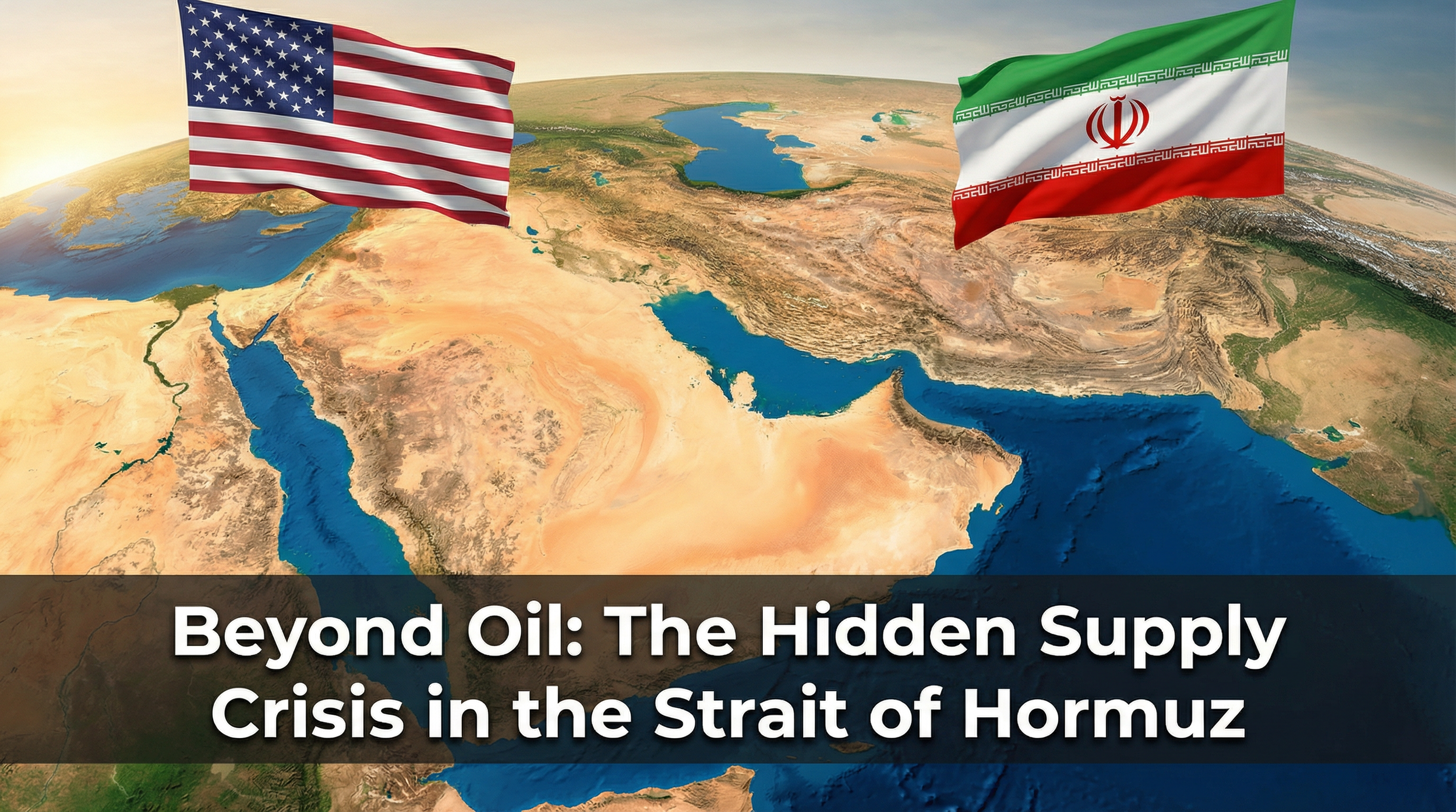
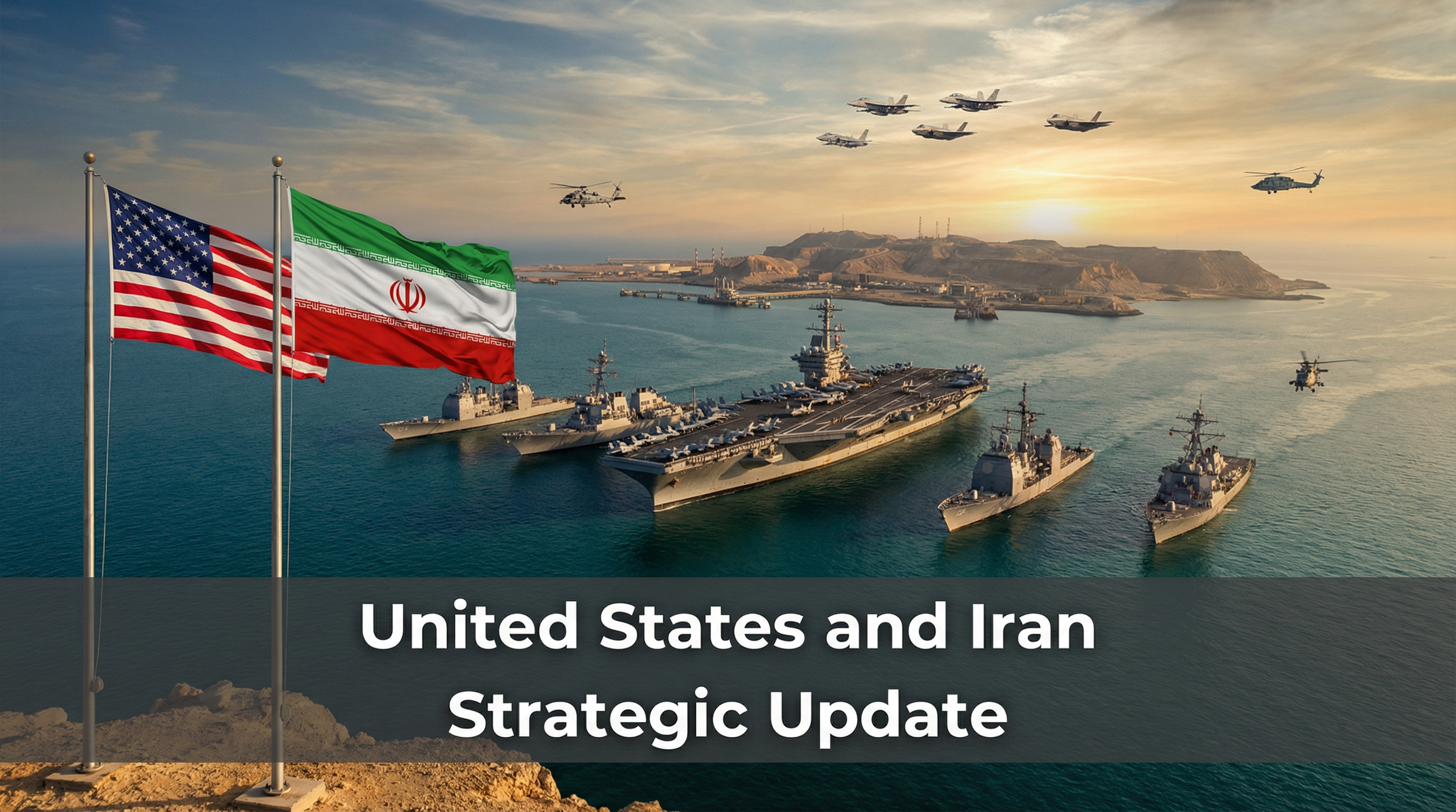
United States and Iran - Strategic Update
Operation Epic Fury — the joint US-Israeli military campaign against Iran — began February 28, 2026, achieving significant tactical objectives. However, the campaign triggered Iran's closure of the Strait of Hormuz — producing what the IEA calls "the greatest global energy security challenge in history."
As the conflict enters its second month, a new variable has emerged: Yemen's Houthi movement formally entered the war on March 29, threatening to close the Bab al-Mandeb Strait — the only remaining viable bypass route for Gulf oil. The coexistence of a closed Hormuz and a threatened Bab al-Mandeb is a scenario for which the global economy has no adequate contingency.
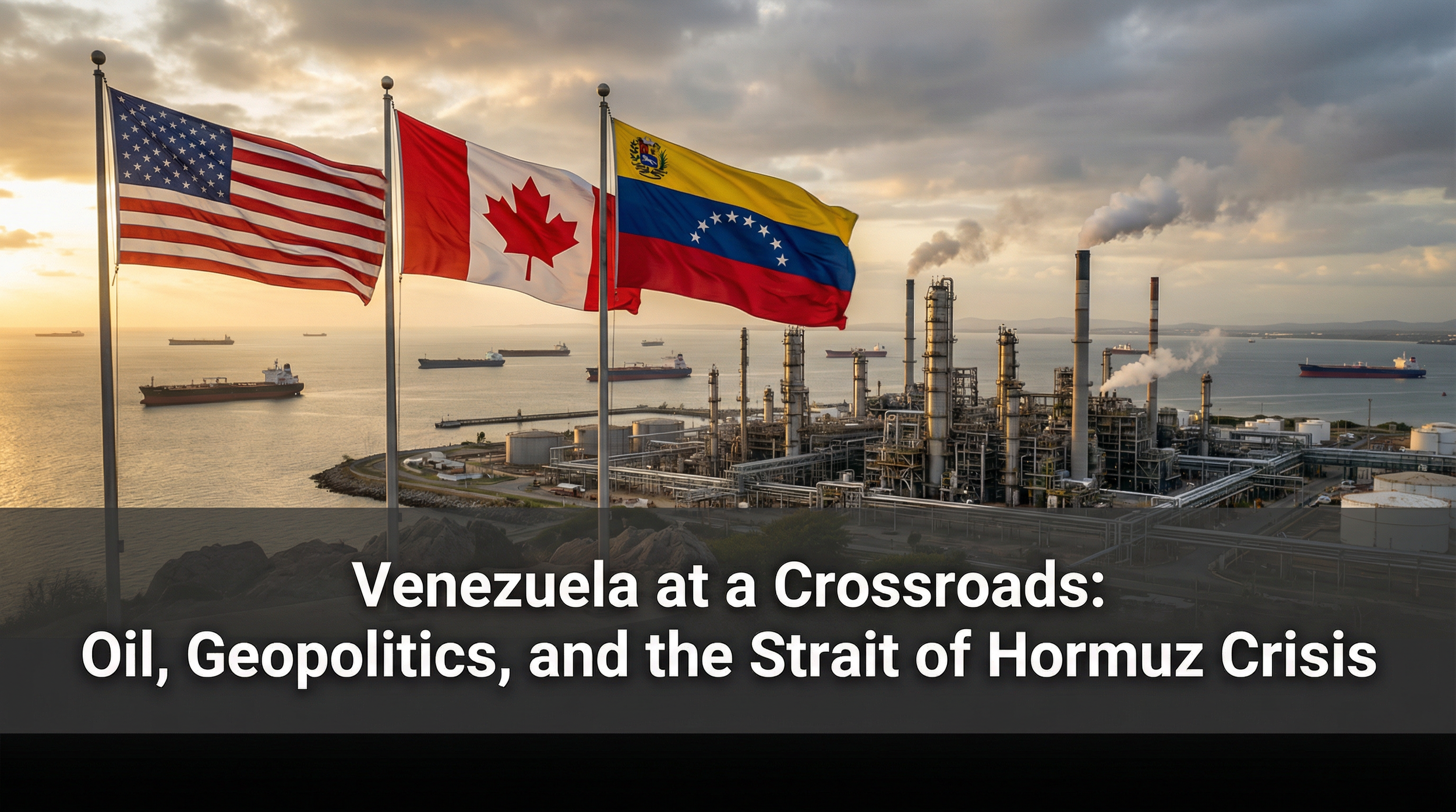
Venezuela at a Crossroads: Oil, Geopolitics, and the Strait of Hormuz Crisis
The simultaneous upheaval in Venezuela and the military confrontation with Iran over the Strait of Hormuz have converged into the most consequential reshaping of global energy markets since the 1973 Arab oil embargo. Venezuela, the holder of the world’s largest proven oil reserves at 303 billion barrels, finds itself thrust into the center of a scramble for alternative crude supplies just as the Middle East’s most critical shipping corridor has effectively shut down. This report examines where Venezuela stands across government, economy, humanitarian conditions, and oil infrastructure — and assesses whether the country can meaningfully contribute to relieving a global energy crisis.
The 2026 Energy Crisis: Infrastructure, Supply & Global Impact
A comprehensive assessment of oil and natural gas infrastructure damage, supply disruptions, economic consequences, and long-term energy implications of the U.S.–Israel–Iran conflict.
Compiled March 22, 2026 · Day 22 of Hostilities · Sources: IEA, EIA, Columbia CGEP, Kpler, Dallas Fed, CSIS, CRS
Strait of Hormuz: Petroleum Dependency, Strategic Reserves & Geopolitical Pressure Analysis
The Strait of Hormuz, a 33-kilometer-wide waterway between Iran and Oman, carries roughly 20 million barrels of oil per day—about 20% of global petroleum liquids consumption—and 20% of global LNG trade. Following U.S.-Israeli strikes on Iran on February 28, 2026, Iran’s IRGC declared the strait closed. Tanker traffic has dropped to near zero, triggering the largest energy supply disruption since the 1970s oil crises. Brent crude has surpassed $100/barrel. This report examines the petroleum reserves, import dependencies, and strategic reserve depth of five major importers—China, India, Japan, South Korea, and Europe—assessing how the duration of closure forces each toward alternative sources or active measures to reopen the strait, potentially bringing them into conflict with U.S. policy.
The Donroe Doctrine
In January, President Trump captured Venezuela’s leader and declared a new era of American hemispheric dominance. Two months later, the consequences — a war with Iran, the effective closure of the Strait of Hormuz, surging gas prices, a $50 billion emergency military funding request, and a fertilizer shock threatening global food supplies — are landing squarely on the kitchen tables of American families and the front doors of American businesses.
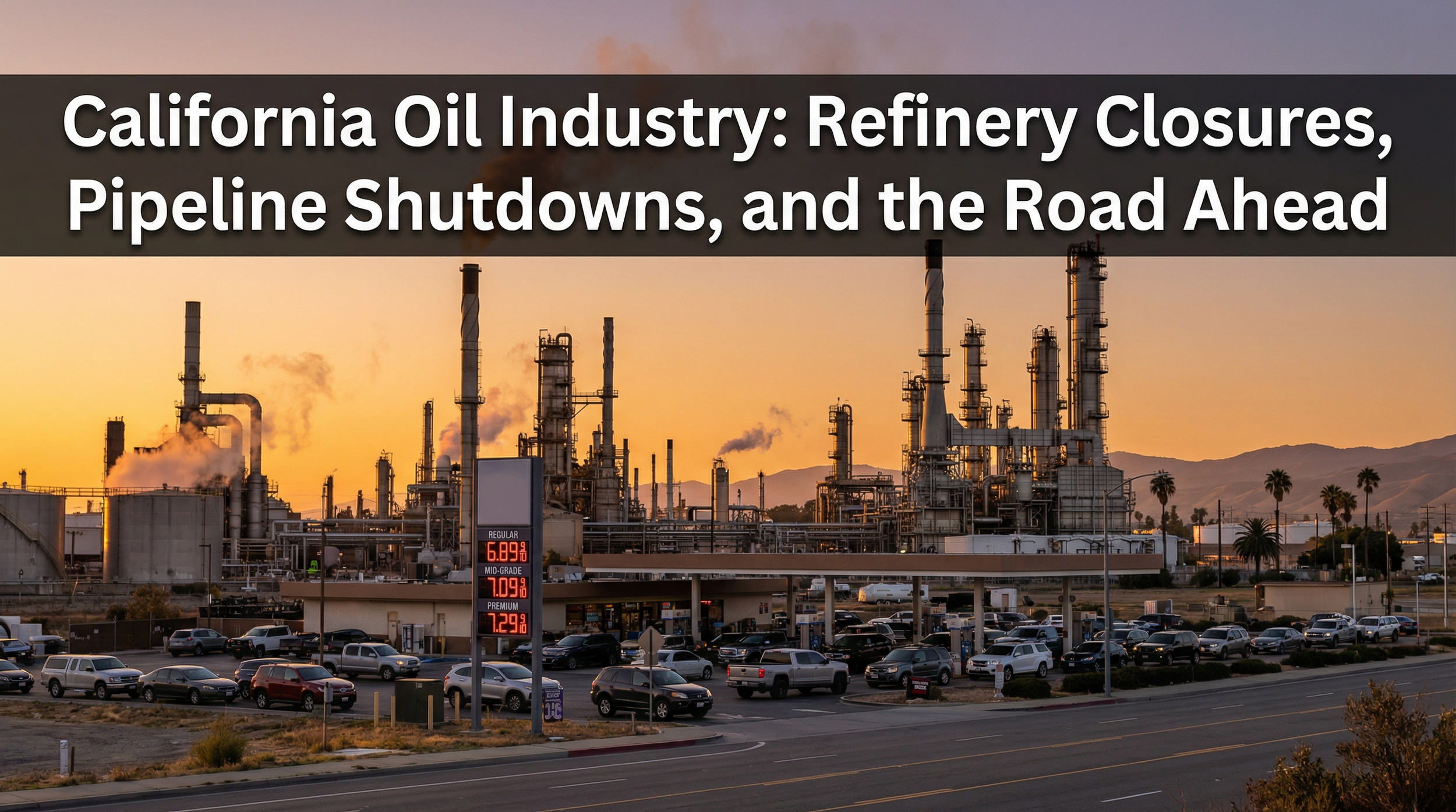
California Oil Industry: Refinery Closures, Pipeline Shutdowns, and the Road Ahead
California's petroleum sector is undergoing a structural transformation that is reshaping how oil is extracted, transported, and refined across the state. With major refinery closures eliminating approximately 17-20% of in-state capacity, critical pipelines shutting down, and an accelerating shift toward imported fuels, the state faces significant near-term price volatility and supply uncertainty.
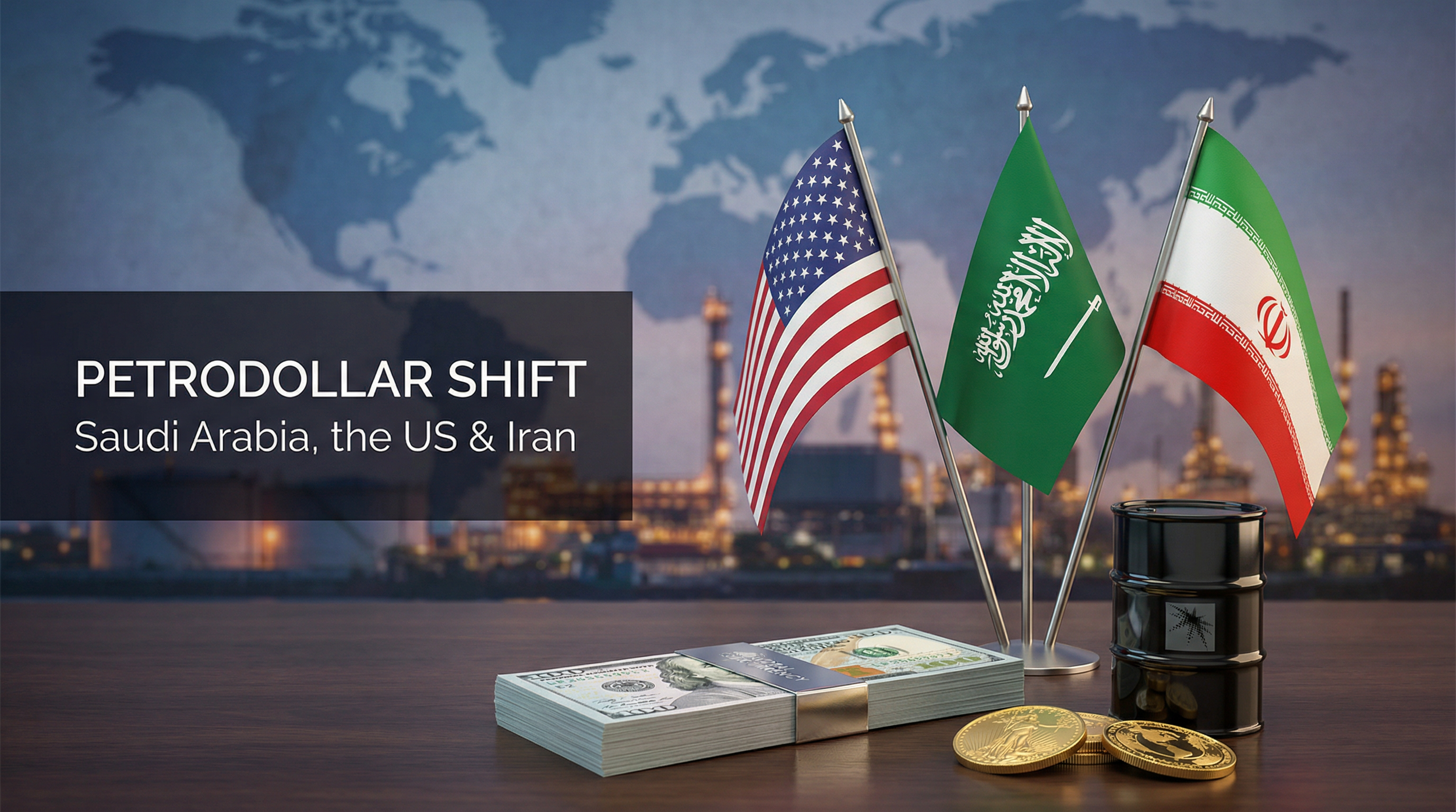
The Petrodollar System & Saudi Arabia's Evolving Geopolitical Relationships
One of the most important clarifications in understanding U.S.-Saudi economic relations: there is no official agreement between the United States and Saudi Arabia to sell oil in US dollars. Saudi Arabia’s evolving relationships with China, Iran, and Saudi Arabia’s neighbors can impact US foreign policy, its economy and currency.
US, Venezuela and BRICS
On January 3, 2026, the United States conducted Operation Absolute Resolve, which had immediate and significant ramifications for the BRICS bloc, its members' strategic interests, and the broader transition toward a multipolar international order.
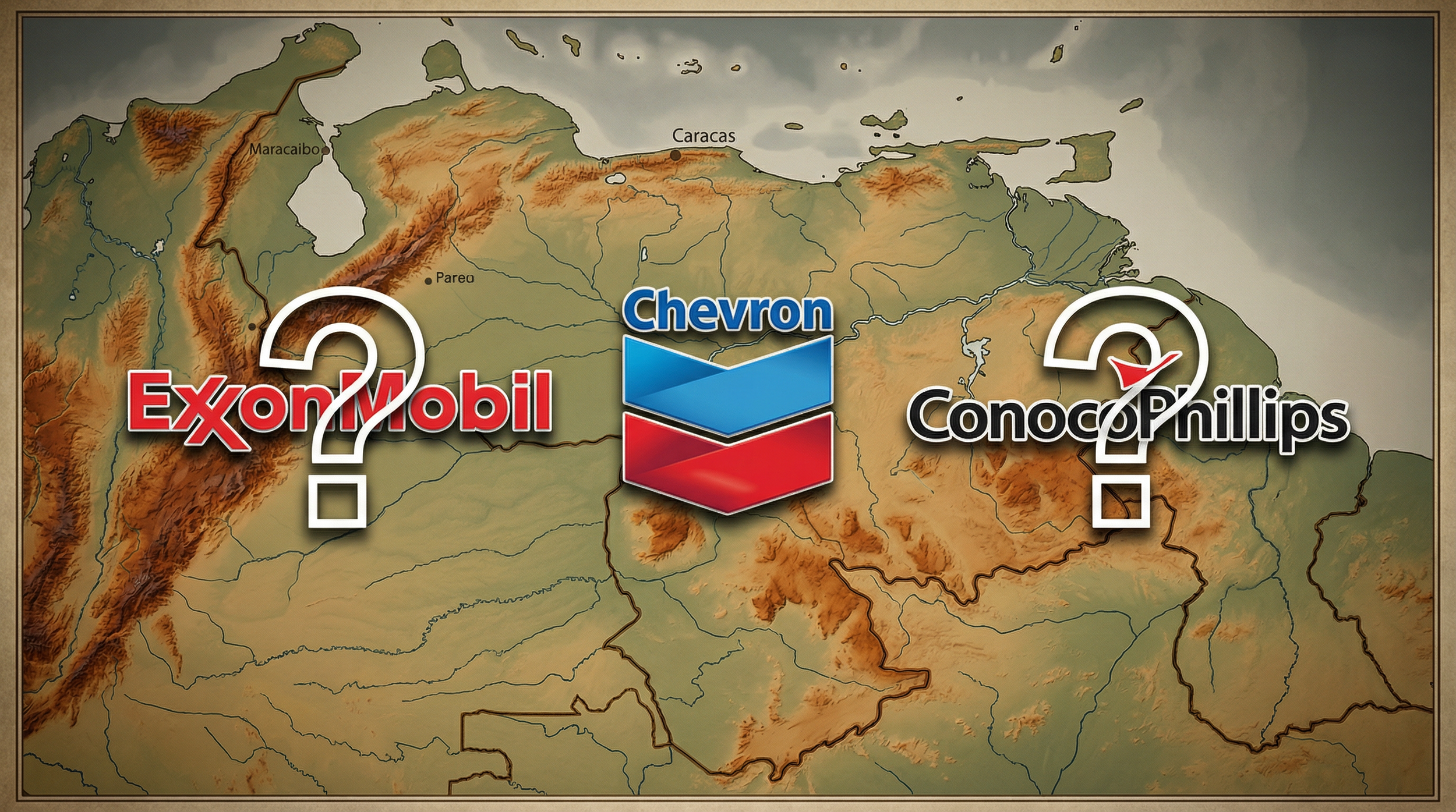
US Oil Companies in Venezuela - January 2026
As of January 9, 2026, Chevron remains the only US oil company with active operations in Venezuela. The Trump administration is aggressively courting major US oil companies to invest in Venezuela's deteriorating oil infrastructure, claiming potential investments of $100 billion and rapid production increases.