Lodi Eye
LodiEye provides additional information on trending stories / topics published by local media and shared on local social media accounts.

The Donroe Doctrine
In January, President Trump captured Venezuela’s leader and declared a new era of American hemispheric dominance. Two months later, the consequences — a war with Iran, the effective closure of the Strait of Hormuz, surging gas prices, a $50 billion emergency military funding request, and a fertilizer shock threatening global food supplies — are landing squarely on the kitchen tables of American families and the front doors of American businesses.

Nuclear Weapons in the Middle East & South Asia
Nine countries possess nuclear weapons worldwide. This report examines the four states with nuclear arsenals or threshold capabilities in the Middle East and South Asia — Israel, India, Pakistan, and Iran — covering when each country built or acquired these weapons, warhead counts, weapon yields, delivery technologies, and maximum deployment range. As of January 2025, approximately 12,241 nuclear warheads exist globally, with about 9,614 in military stockpiles. The interactive map below shows each country's maximum weapon reach.
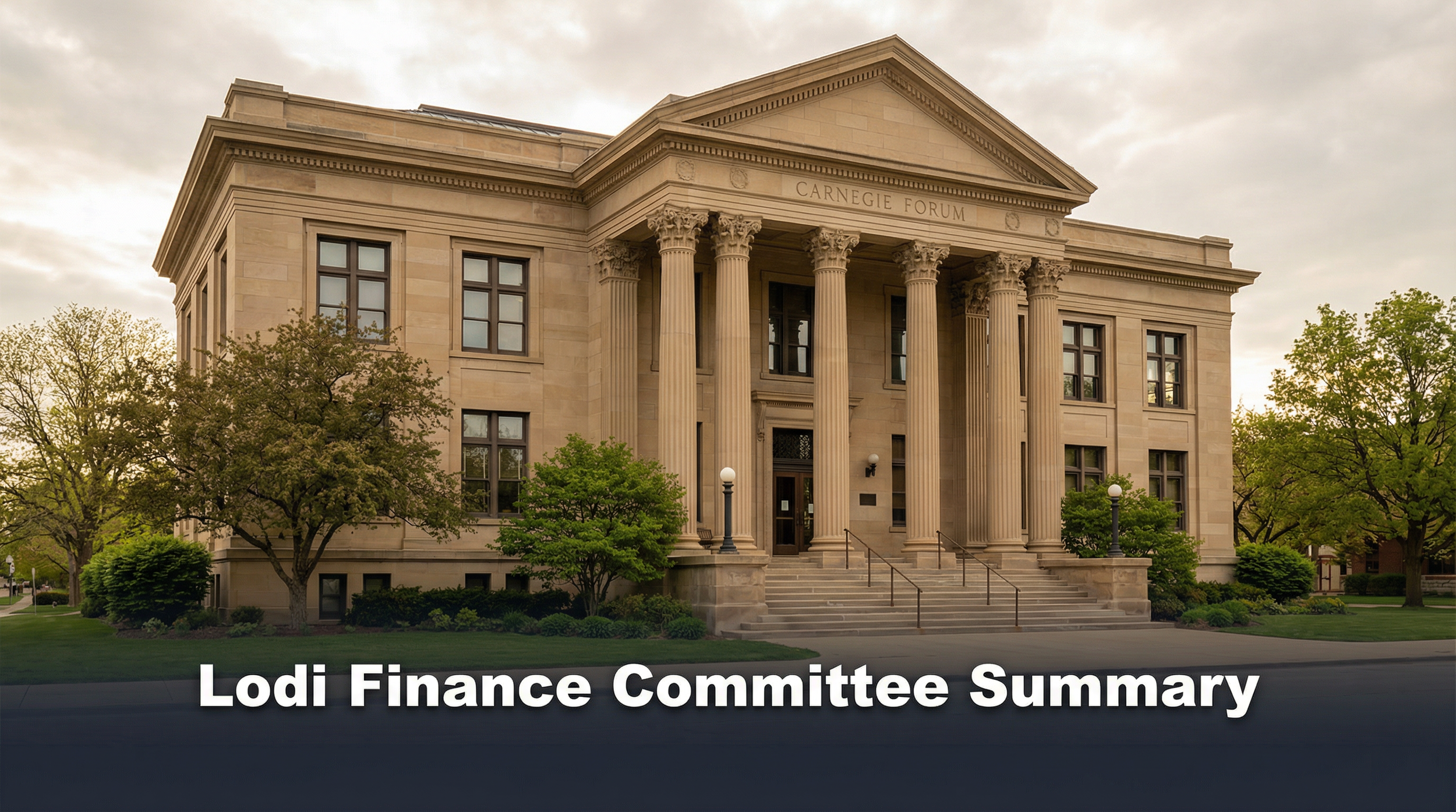
Lodi Finance Committee - March 11, 2026
This Special Meeting of the Lodi Finance Committee covers two substantive items: approval of minutes from the February 4, 2026 Special Meeting, and a Fiscal Year 2027 Budget Cycle Discussion. The February minutes document a PARS/OPEB presentation and the formal introduction of the Annual Comprehensive Financial Report (ACFR) to the committee by auditors LSL (Lance, Soll & Lunghard, LLP). The FY 2024–25 ACFR is expected to be finalized in March 2026. The committee is also beginning forward planning for the FY 2026–27 budget amid a projected $4.8 million structural deficit expected to emerge over the next five years.
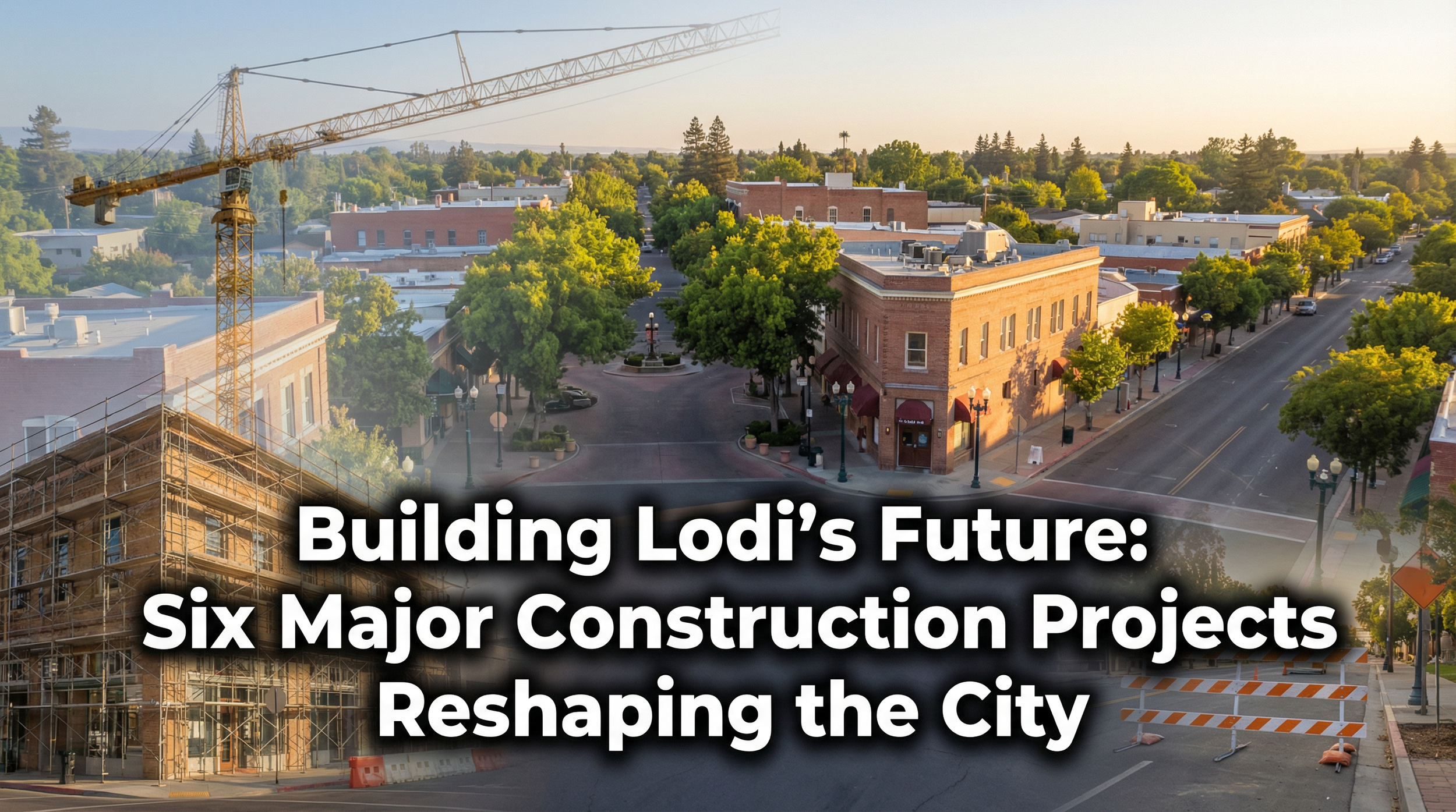
Six Major Construction Projects Reshaping Lodi
Lodi is in the midst of a major construction wave, with six significant developments either planned, under construction, or recently completed across the city. Together, these projects represent more than 500 new housing units, a 92-room boutique hotel, 18,000 square feet of new retail space, a 30,000-square-foot corporate office expansion, and a state-of-the-art $13 million animal shelter.

California Fuel Price Projections & Analysis — 2026
California faces an unprecedented convergence of pressures on fuel prices in 2026: two major refinery closures removing 18–21% of in-state refining capacity, escalating regulatory costs from CARB's Cap-and-Invest and LCFS programs, and the ongoing U.S.–Iran conflict that has driven crude oil above $110 per barrel. The state's average regular gasoline price stood at $5.16 as of March 8, 2026 — already $1.66 above the national average — and projections range from roughly $5.50 to $8.44 per gallon by late 2026.
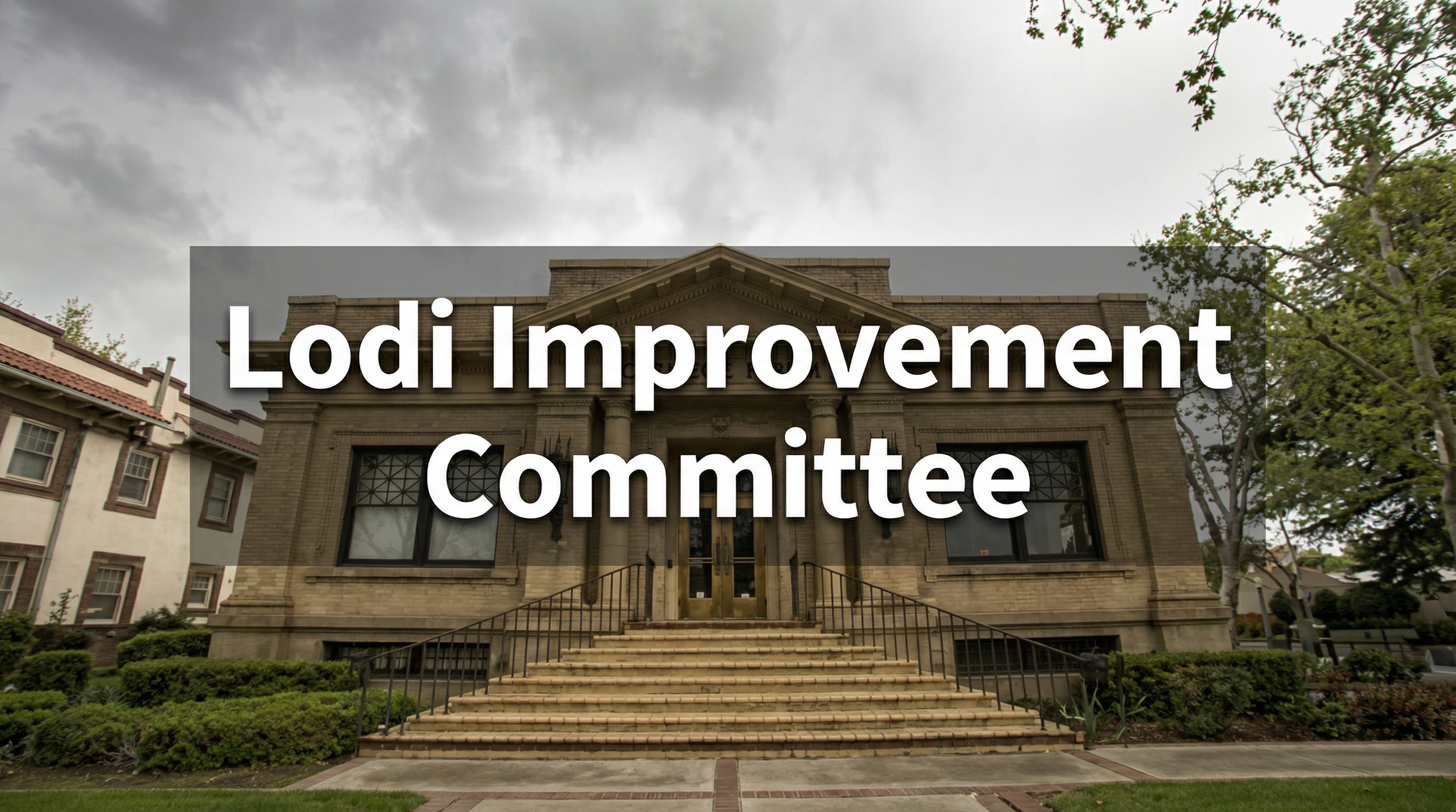
Lodi Improvement Committee — March 10, 2026
The Lodi Improvement Committee (LIC) meets Tuesday, March 10, 2026 at 6:00 PM at the Carnegie Forum for a regular meeting featuring a youth sports presentation from BOB’s (Boosters of Boys/Girls Sports), CDBG funding updates, and formal adoption of the committee’s 2026 annual goals and task assignments.

Site Plan and Architectural Review Committee - March 11, 2026
This SPARC meeting features a single review item — a quasi-judicial public hearing on the proposed 70-foot tall, double-faced, freeway-oriented electronic pylon sign at the Lodi Chrysler Dodge Jeep Ram dealership (1255 South Beckman Road). Staff recommends approval with conditions. This would be the first of a maximum of two electronic billboards allowed within the City of Lodi.

Lodi Water Quality: PFAS and Forever Chemicals
Lodi's drinking water meets all state and federal regulatory standards with no violations over nearly a decade, yet several contaminants — including PFAS “forever chemicals,” legacy pesticides, and industrial solvents — have been detected at levels that, while legal, exceed more stringent public health goals set by California health experts.
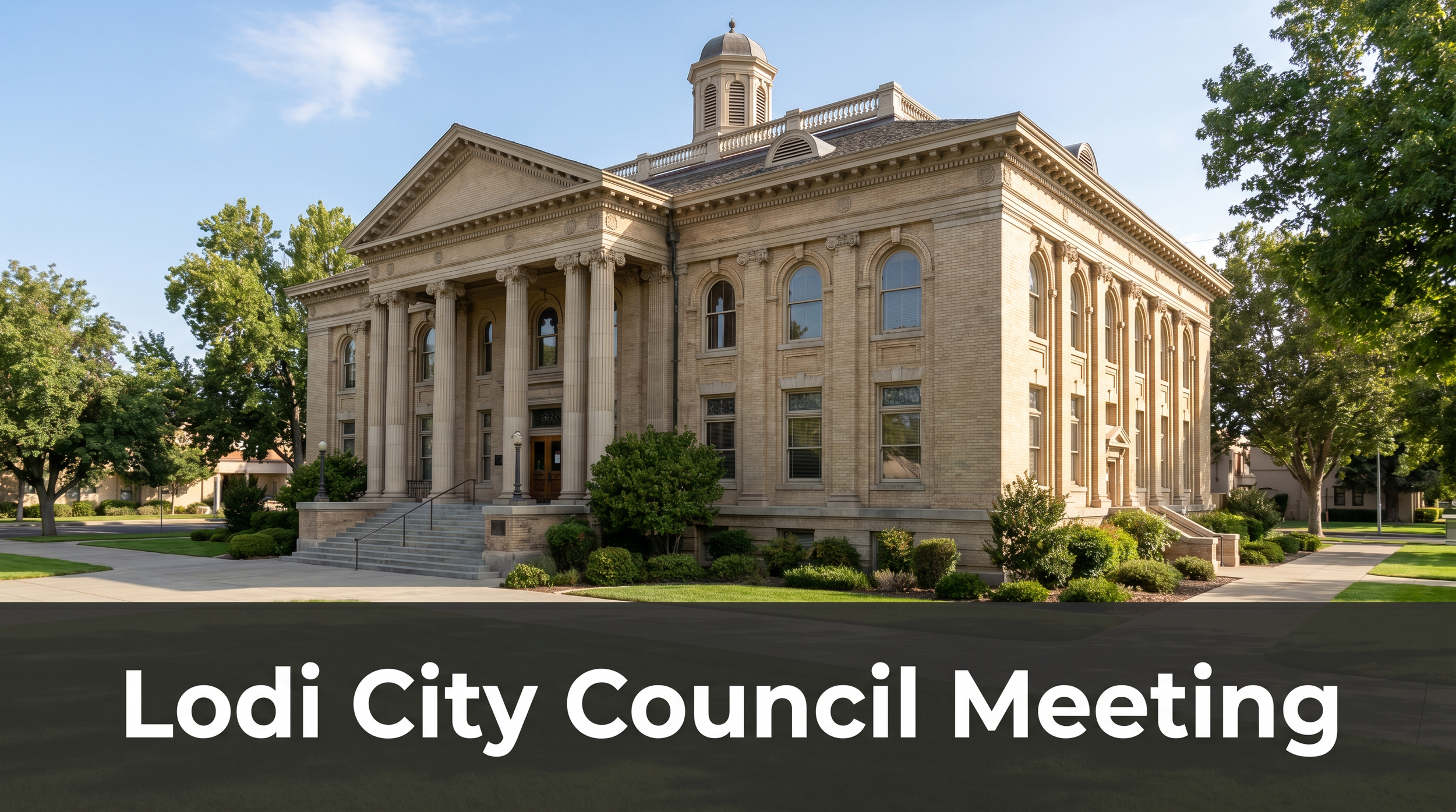
Lodi City Council Agenda - March 4, 2026
This is a personnel- and finance-heavy Council meeting. The bulk of the regular calendar is a coordinated executive-compensation reset (nine separate resolutions) that brings Department Heads and elected officers to market median, raises the City's medical-premium share to 90%, and eliminates or reduces CalPERS cost-sharing across the board. The single largest financial action is a $1,573,855.04 utility-billing bad-debt write-off covering 2017–2021 — the first comprehensive utility write-off since Tyler Munis was implemented. Three substantive policy items round out the meeting: a public hearing modernizing Lodi's participation in CSCDA's Statewide Community Infrastructure Program (SCIP), the adoption of a revised eight-priority Strategic Vision (continued from Feb. 18), and second-reading adoption of Ordinance No. 2046 overhauling the 1996-era 30% non-profit electric-rate discount. The Council will also receive a quarterly homelessness update from the OMI-operated Access Center, approve a 15-year concession lease at Lawrence Park, and accept $35,000 in library donations including a Carnegie Corporation grant tied to the 250th anniversary of the Declaration of Independence.

Pentagon vs. Anthropic & OpenAI
In late February 2026, Defense Secretary Pete Hegseth gave Anthropic CEO Dario Amodei until 5:01 PM on Friday, February 27, to sign a document granting the U.S. military unrestricted access to Anthropic’s AI model Claude — or face severe consequences. Anthropic refused, holding firm on two red lines: no mass surveillance of American citizens and no fully autonomous lethal targeting. The Pentagon followed through, designating Anthropic a “supply chain risk”.. Meanwhile, OpenAI rushed to fill the void with its own Pentagon deal — only to reverse course days later when CEO Sam Altman admitted the contract was “opportunistic and sloppy” and added the same safeguards Anthropic had demanded.
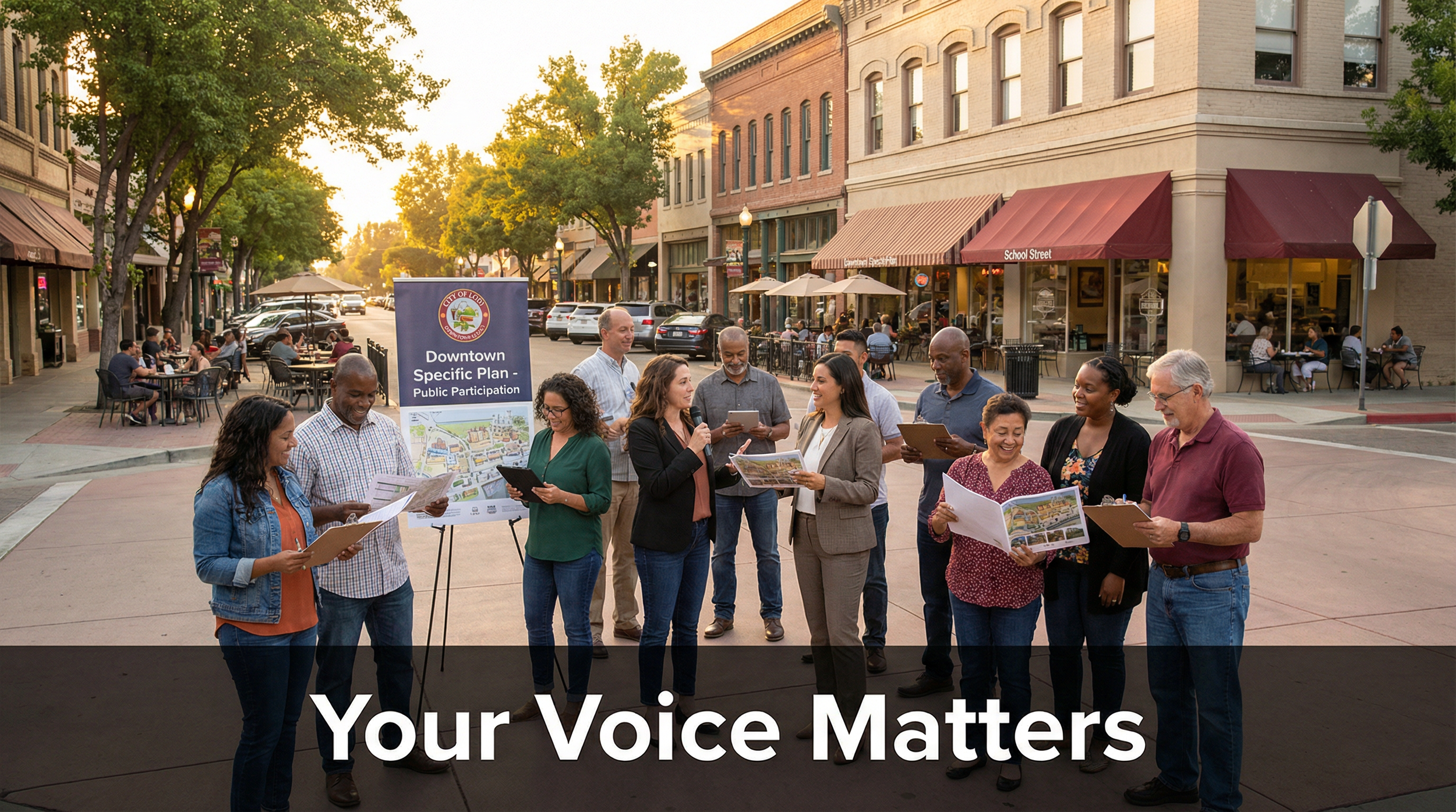
Your Voice Matters
The Downtown Specific Plan is a regulatory blueprint that will govern what gets built, where, and how in Lodi’s historic core for the next 20+ years. It affects parking, housing, building heights, streetscapes, business incentives, and pedestrian connections. Once adopted, this plan — not individual preferences — will determine what’s allowed downtown.
This guide breaks down what the plan does, what questions remain unanswered, and what you can ask the Planning Commission and City Council. You don’t need to be an expert. Planners need to hear from the people who live, work, shop, and walk downtown every day.

U.S. Immigration, Deportation & Labor Force Impact
Over two decades, the U.S. has experienced dramatic swings in legal immigration, illegal border crossings, and deportations—driven by shifting policies across four presidential administrations. The Trump administration's 2025 immigration crackdown has produced an 80% collapse in net immigration, removed 1.2 million immigrants from the labor force, and triggered labor shortages in agriculture, construction, and services. In San Joaquin County.
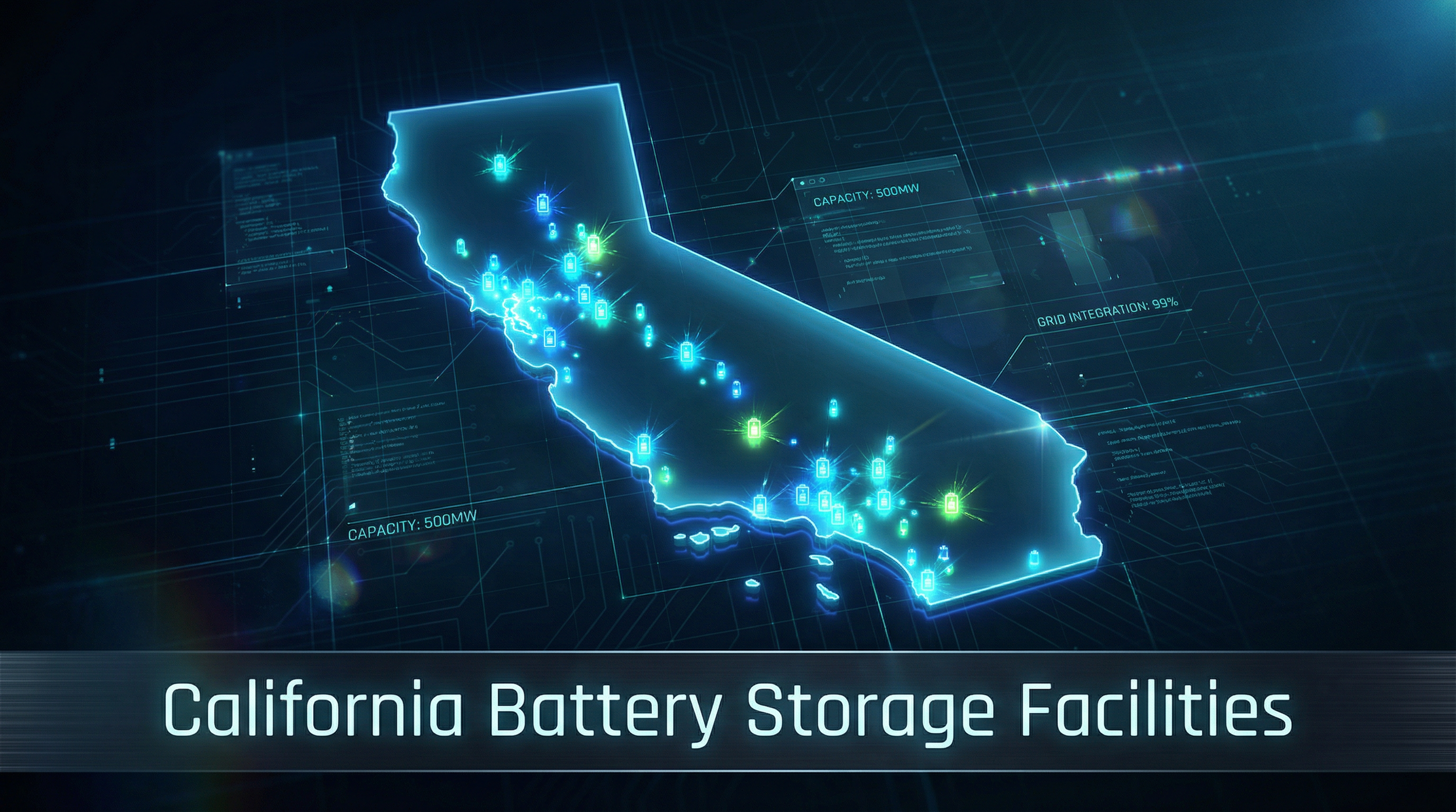
California Battery Storage Facilities Map
LodiEye Visual Report of Battery Storage Facilities built, under contruction and in the planning stage in California. For site, current status, battery and technology, any safety issues and environmental impact zones
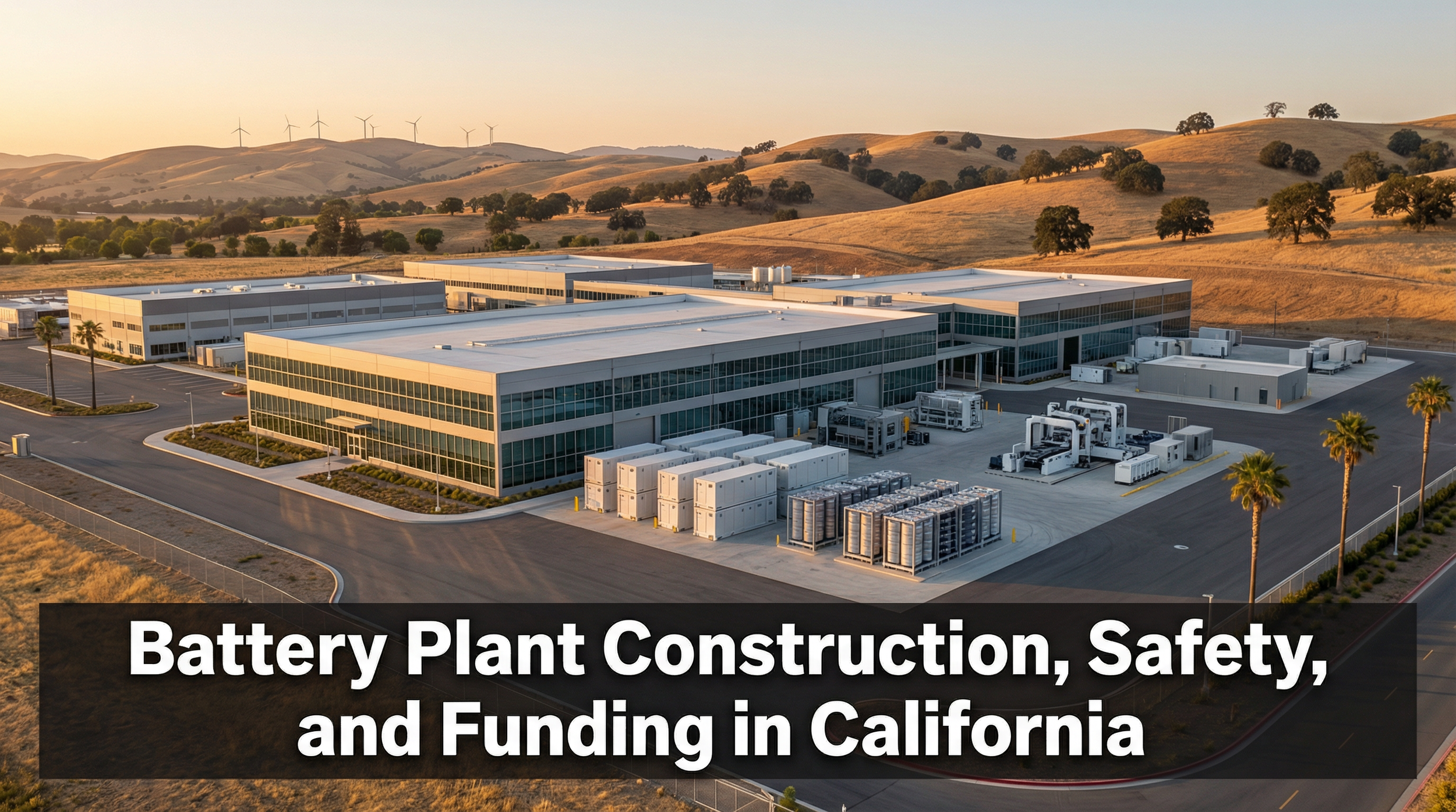
Battery Plant Construction, Safety, and Funding in California
California has emerged as the undisputed national leader in battery energy storage deployment. Over the past decade, the state has transformed its energy infrastructure through an extraordinary buildout of lithium-ion battery storage systems, growing from approximately 770 megawatts of installed capacity in 2019 to nearly 17,000 megawatts by late 2025—a surge of more than 2,100 percent. This expansion encompasses over 200 utility-scale systems, more than 250,000 commercial and residential installations, and a pipeline of projects pushing toward the state’s 52,000 MW target by 2045.
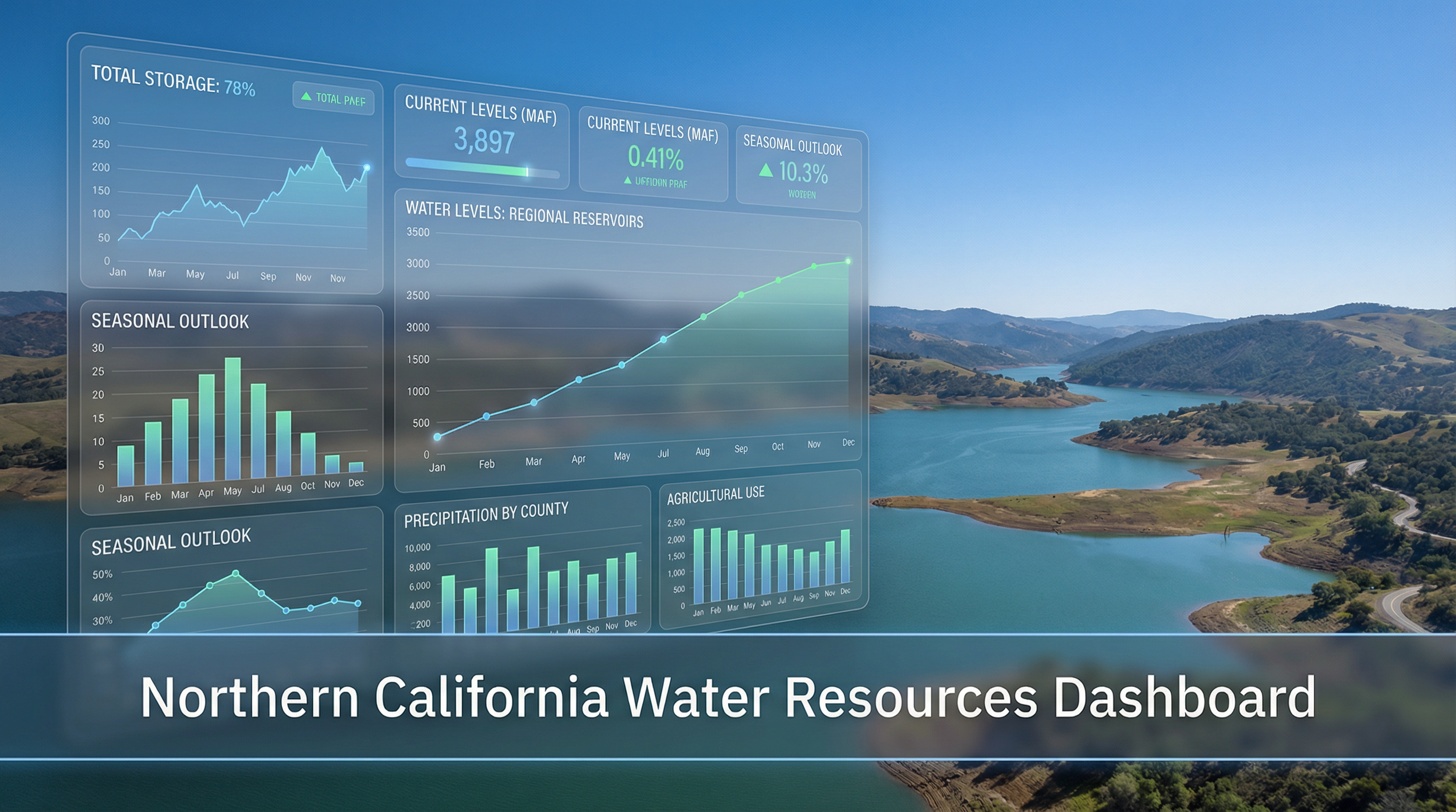
Northern California Water Resources Dashboard
The 2025–26 water year in Northern California tells a story of dramatic swings — a pattern scientists call weather whiplash. The season opened slowly with scant October–November precipitation, then atmospheric rivers in late December sent reservoir levels surging. A bone-dry January eroded snowpack gains, dropping the statewide pack from 89% to 59% of average in three weeks. Mid-February brought the third-snowiest 5-day period on record at the UC Berkeley Central Sierra Snow Lab (111 inches), pushing statewide snowpack back toward ~97% of average by late February.
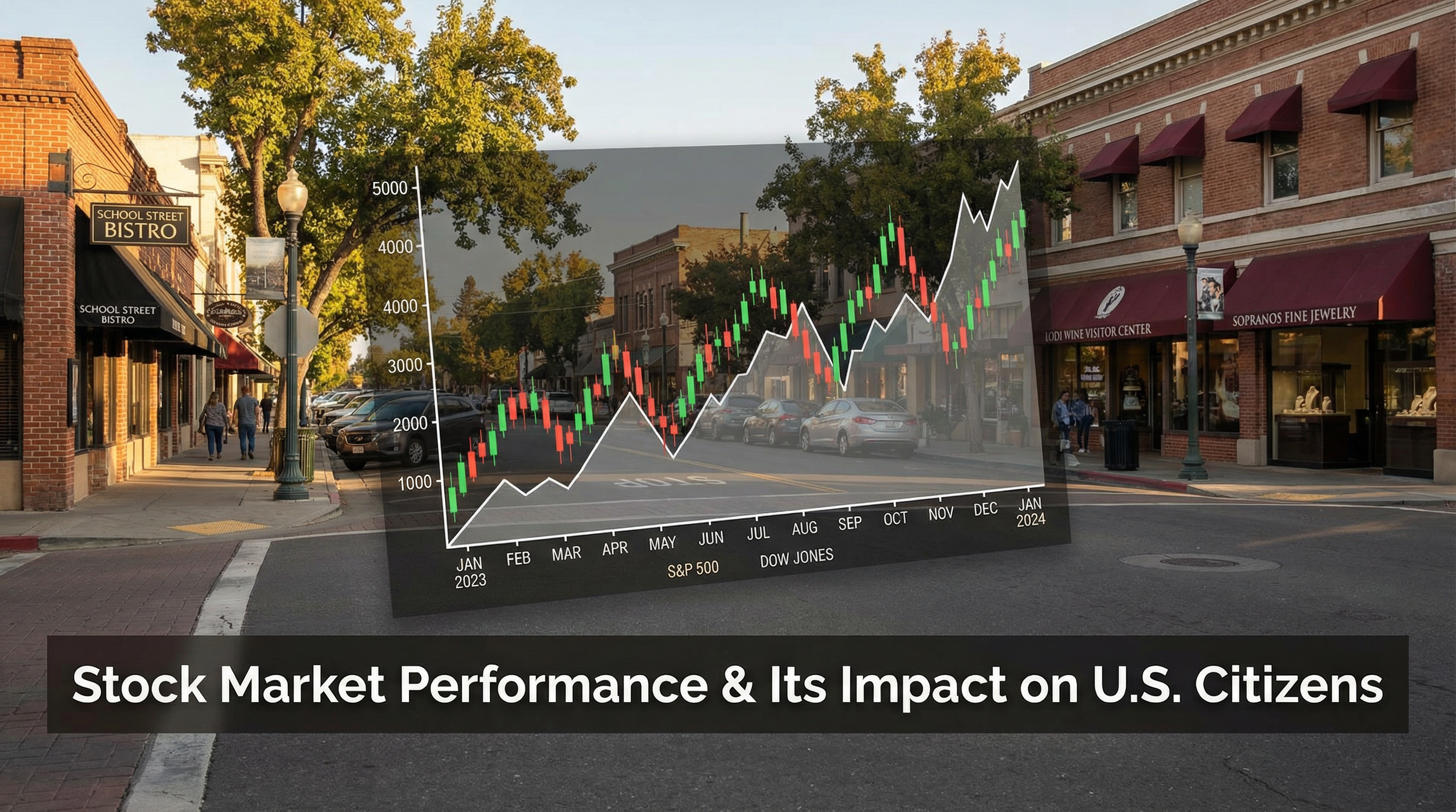
Stock Market Performance & Its Impact
Sixty-two percent of Americans report owning stock in 2025, matching pre-recession levels for the first time since 2008. Yet this headline number conceals enormous disparities: 92% of households in the top income decile hold stocks compared with just 25–31% in the bottom half. The wealthiest 1% of Americans control roughly 50% of all stock market wealth — approximately $23.2 trillion.
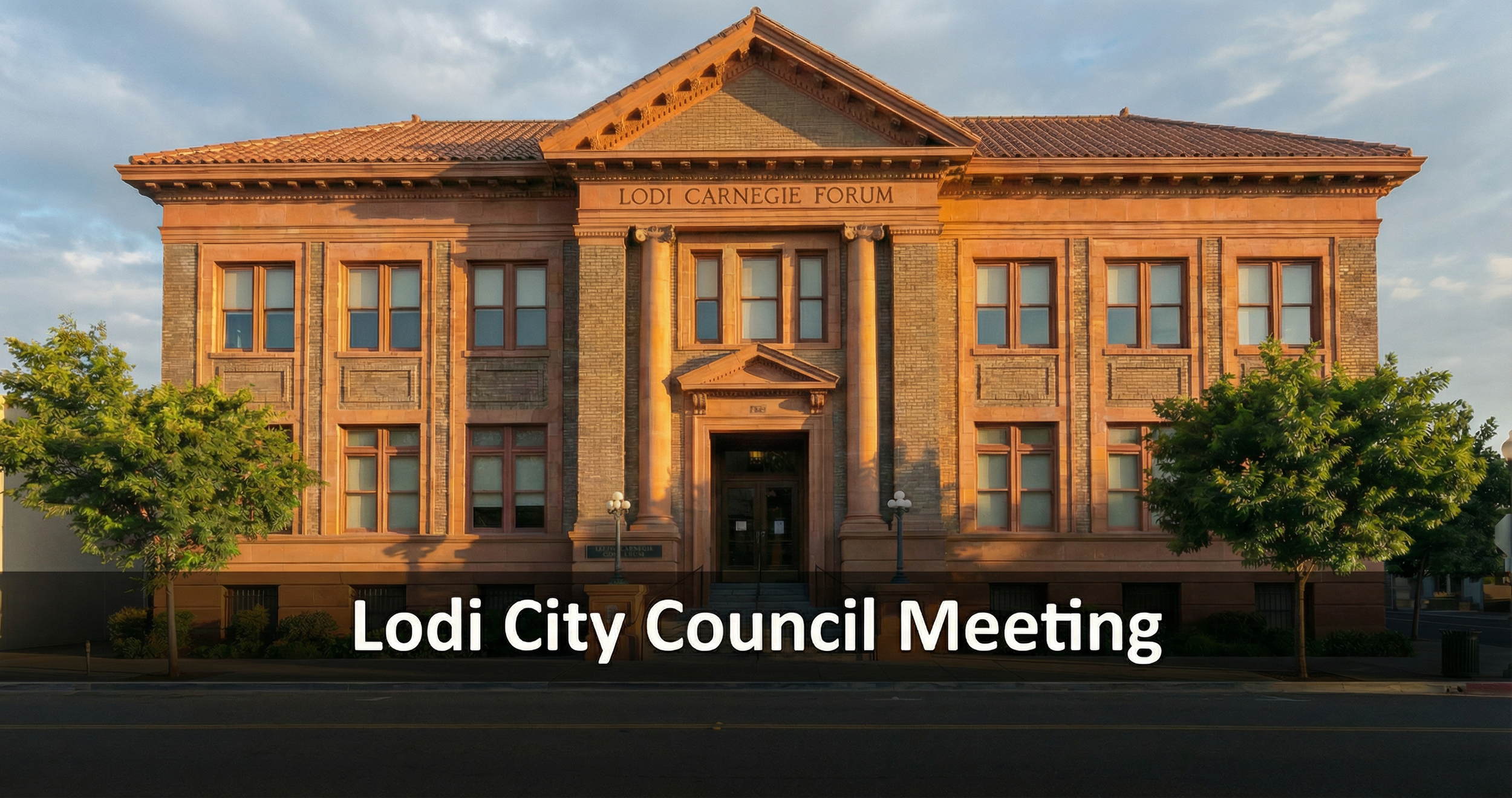
Lodi City Council Meeting - March 4, 2026
The Lodi City Council convenes for its regular meeting with a packed agenda of 22 items spanning financial reports, executive compensation adjustments, infrastructure financing modernization, homeless services updates, an electric rate ordinance, and a strategic vision revision. Two closed session items address the ongoing recruitment of a new City Manager and the first performance review of the Interim City Manager.
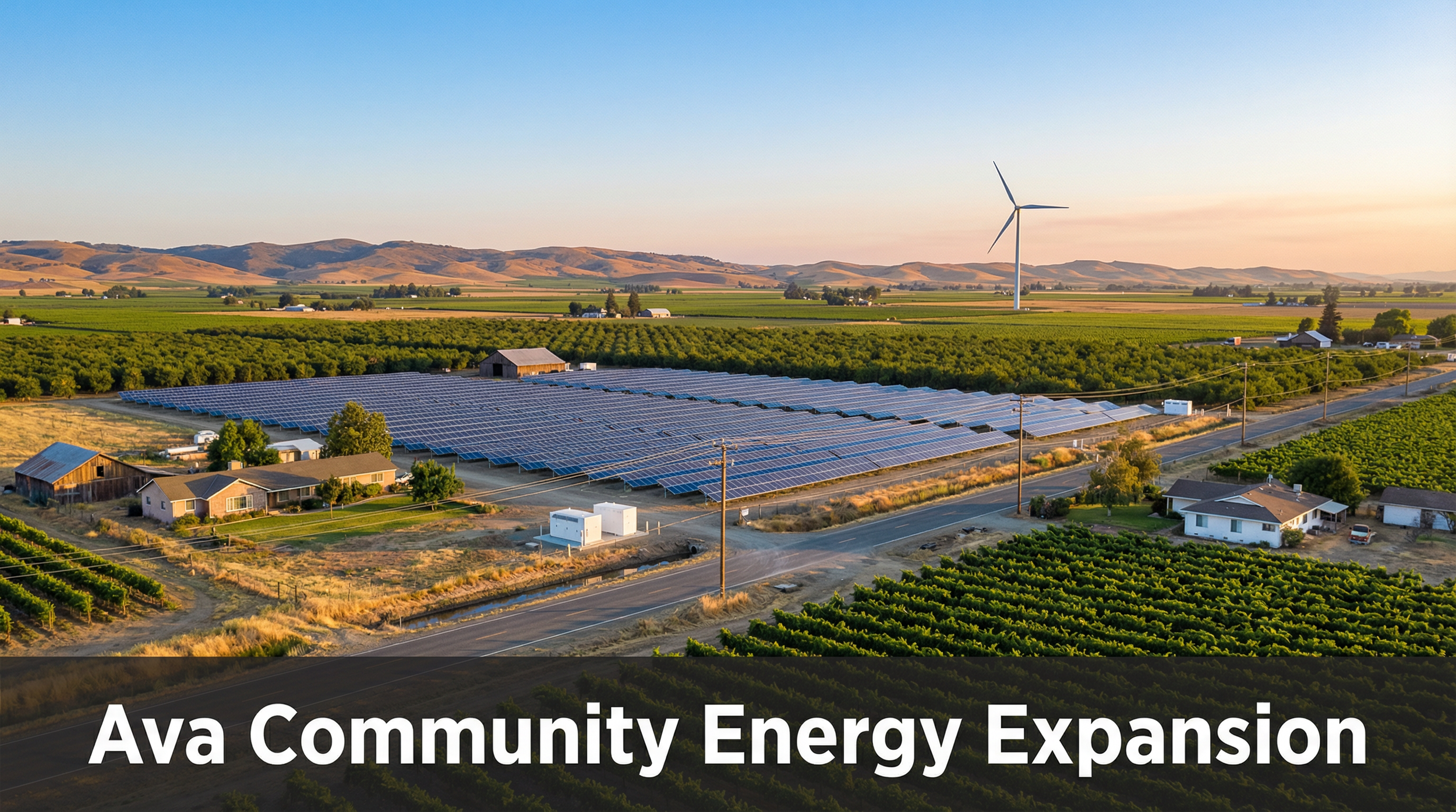
Ava Community Energy Expansion
Ava Community Energy, an Oakland-based not-for-profit Community Choice Aggregator (CCA), announced on February 25, 2026 that it will begin providing electricity generation service to approximately 60,000 eligible accounts in unincorporated San Joaquin County starting in May 2026. PG&E will continue to deliver electricity, maintain power lines, and handle billing. Lodi Electric Utility customers within city limits are not affected.
Federal Legislation: Lodi and San Joaquin County
The 119th U.S. Congress (2025–2026) has a full slate of active legislation that could reshape water infrastructure, agriculture, wildfire management, and federal funding across the San Joaquin Valley. Several bills specifically target the canal systems, groundwater challenges, and farming operations that are central to the Lodi economy.
San Joaquin County FY 2025-2026 Budget
San Joaquin County adopted a $3.02 billion structurally-balanced budget for FY 2025-2026, a $198.6 million increase (7.0%) over the prior year. This marks twelve consecutive years of balanced budgets without drawing on prior-year reserves. The budget prioritizes public safety, homelessness and behavioral health, parks and recreation, and major capital infrastructure—while setting aside $151.1 million in contingency reserves and contributing $34 million toward unfunded retirement liabilities.